


SOUTH KOREA
Flying business or first class to South Korea should feel comfortable, not overpriced or overdescribed. At Business-Tickets.com, we help travelers find premium flights to South Korea with better value than the fares that often appear on standard booking sites.
Some people travel to South Korea for business. Others go for Seoul, Busan, Jeju, or a longer trip built around food, culture, technology, and changing landscapes. Whatever brings you there, the goal is simple: help you find flights that match your route, timing, and budget without making the booking process more complicated than it needs to be.
We work with major airlines and have access to contract and unpublished fares on many premium routes. That can help some travelers save up to 60% on business and first-class tickets, depending on the route and travel dates. It does not happen on every itinerary, and we are clear about that. But when better fares are available, we know where to look.
You also work with a real travel advisor. That matters when schedules change, connections become less practical, or you need help comparing options that look simpler online than they really are. Instead of relying only on automated booking tools, you have someone who can help sort through the details.
South Korea is often introduced through its technology, pop culture, or major cities, but the country offers much more than one modern image. It can feel intensely urban in one place, deeply traditional in another, and unexpectedly calm once you get into the mountains, coast, or countryside.
That range is one of its strengths. A trip here can be built around palaces, food markets, temples, nightlife, hiking, or island scenery, and all of those versions still feel connected. For travelers who want a destination that feels current but not one-dimensional, South Korea makes a strong case.
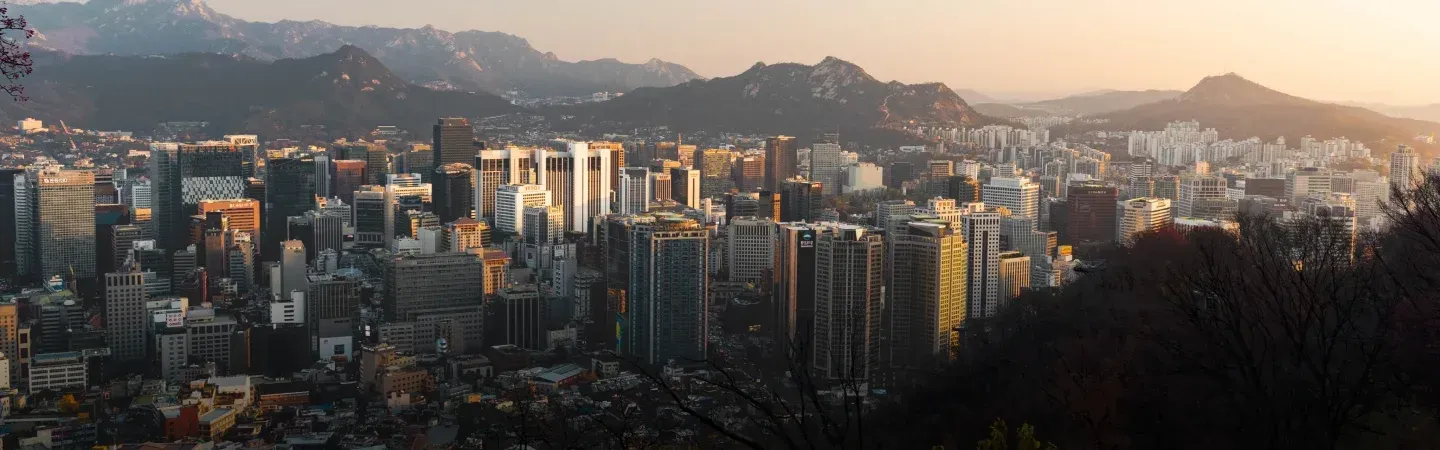
One of the main reasons South Korea leaves such a strong impression is the way old and new fit together without feeling forced. Seoul is the clearest example. Palaces like Gyeongbokgung and older neighborhoods such as Bukchon still carry real historical weight, but they exist inside a city that also feels fast, ambitious, and highly modern.
That contrast is not just visual. It shapes the whole experience of traveling there. You can spend part of the day in a palace complex or hanok district, then move into a very different side of the city with contemporary design, shopping, nightlife, and transport systems that feel completely up to date.
That balance is one of the country’s strongest qualities. South Korea rarely feels stuck in the past, but it also does not seem eager to erase it.
South Korea also works because its cities do not all feel the same. Seoul is the obvious starting point, but it is only one version of the country.
Busan has a different energy altogether. Being on the coast changes the rhythm, and the city often feels more open and more relaxed than the capital. Incheon adds another angle through its airport, business districts, and newer urban development. Then there are places like Gyeongju and Jeonju, which give a stronger sense of historical continuity and local tradition.
That variation matters. It means a trip across the country can keep changing without losing its overall identity.
For many travelers, South Korea becomes memorable through food as much as through sightseeing. The food culture is not only rich. It is part of daily life in a way that is easy to notice from the first day.
Markets, street food, barbecue, stews, noodle dishes, side dishes, and regional specialties all shape the experience. In places like Jeonju, food becomes central to the city’s identity, while Seoul and Busan offer their own different rhythms of eating. Meals often feel active, social, and tied to place rather than separated from the trip.
That matters because the country often reveals itself through everyday dining as much as through its formal landmarks.
South Korea is often seen as highly urban, but the natural side of the country is a big part of the appeal. Mountains, national parks, coastline, and islands all give the trip more range than many travelers expect before they arrive.
Seoraksan is one of the clearest examples, especially for people who want hiking and a stronger sense of seasonal landscape. Jeju offers something different again, with volcanic scenery, lava tubes, coastal roads, and a pace that contrasts with the mainland cities. Even winter adds another layer, especially in ski regions such as Pyeongchang.
That broader landscape matters because it stops the country from feeling like only a city-focused destination.
One of the interesting things about South Korea is that it can feel highly developed without losing local character. The cities are efficient, connected, and often visually modern, but they still carry habits, traditions, and social patterns that give the country texture.
That is part of why it stays memorable. South Korea feels organized and current, but rarely generic. The trip can include smart-city districts, high-speed rail, temple stays, mountain trails, and old market streets without feeling disconnected.
For travelers who like destinations that combine convenience with identity, it works especially well.
One of the country’s biggest strengths is flexibility. South Korea can be a city break, a food trip, a culture-focused itinerary, a shopping trip, or a longer route through several regions. Some travelers want Seoul and Busan. Others want Jeju, temple sites, or mountain scenery. All of those approaches make sense.
That flexibility is one reason the country keeps drawing repeat visits. One trip rarely covers it well, and different regions leave very different impressions.
Flights to South Korea are served by major international airlines, and fares can change quickly depending on season, route, and availability. Airlines such as Lufthansa may appear in premium itineraries through partner routings, but the first option you see is not always the one that gives the best overall value.
That is where experience helps. Sometimes the cheaper premium fare comes with awkward timing or a poor connection. Sometimes paying a little more gives you a much smoother trip. In other cases, a different routing offers better comfort without adding much to the total journey time.
We help compare those details before you book, so the choice is based on what actually works for your trip rather than only the first price on the screen.
Public sales and newsletters can help sometimes, but they are not always the most reliable way to save on long-haul premium travel. Better results usually come from a mix of fare access, flexible timing, and knowing which routes offer stronger value.
Package deals may help in some cases, especially if flights and hotels are booked together. Loyalty points can help too, but only when they are used carefully. Many travelers assume they are getting better value than they really are.
That is why many clients prefer to start with a quote instead of guessing.
If you are considering business or first class flights to South Korea, we can help you compare the options clearly and find fares that match your route, timing, and budget. No exaggerated promises, no overdone travel copy, just practical help and honest pricing.
FAQ
Yes, many travelers can fly business class directly to South Korea, especially into Seoul Incheon International Airport. Incheon is the country’s main long-haul gateway, while Gimpo, Busan Gimhae, and Jeju airports are more useful for domestic, regional, or specific city-based travel. Always check the exact aircraft, because the business class seat can vary by airline, route, and aircraft type.