



Top Travel Destinations 2026: Business Class Flights
If you’re building your 2026 travel list, you’re not alone. At Business Tickets, we’re always hunting for places that feel exciting right now—new hotel openings, fresh flight routes, neighborhoods that aren’t completely overrun, and destinations that still feel like they belong to the people who live there.
And yes, we’ll quote St. Augustine because he nailed it: "The world is a book and those who do not travel read only one page."
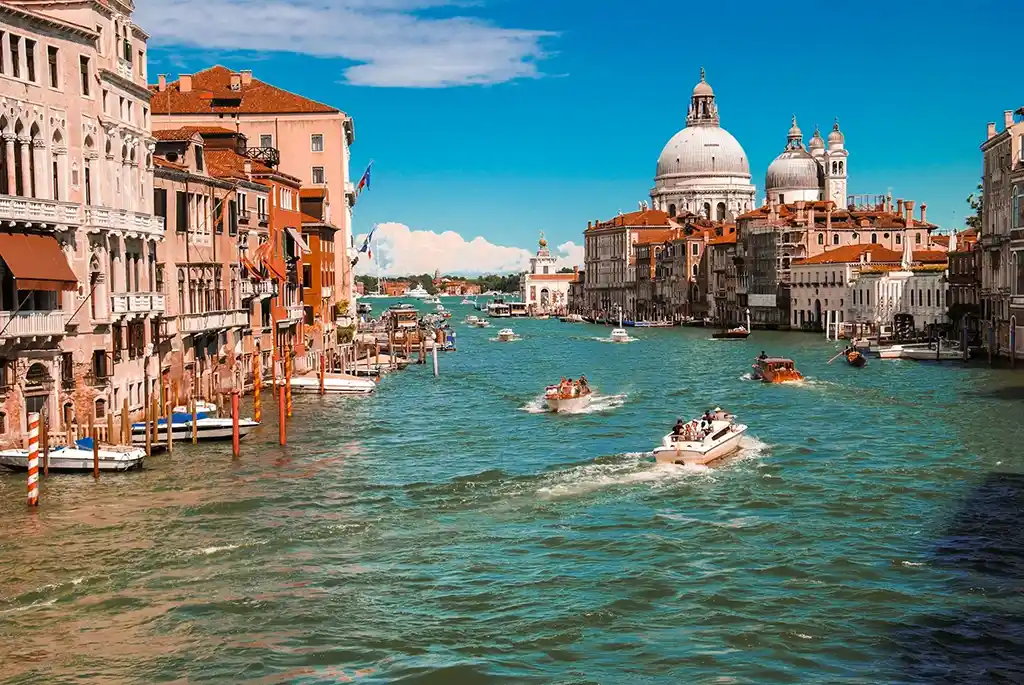
One thing has changed, though: travel is louder than it used to be. Social media can turn a quiet spot into a theme park overnight. A summer trip to Venice sounds romantic until you’re shoulder-to-shoulder with the same crowd trying to film the same clip. So for 2026, we’re focusing on places that feel worth the effort—and worth visiting responsibly.
Below are destinations we’d book with real enthusiasm. Some are under-the-radar. Some are classics having a moment again. All of them are the kind of trips you’ll actually remember.
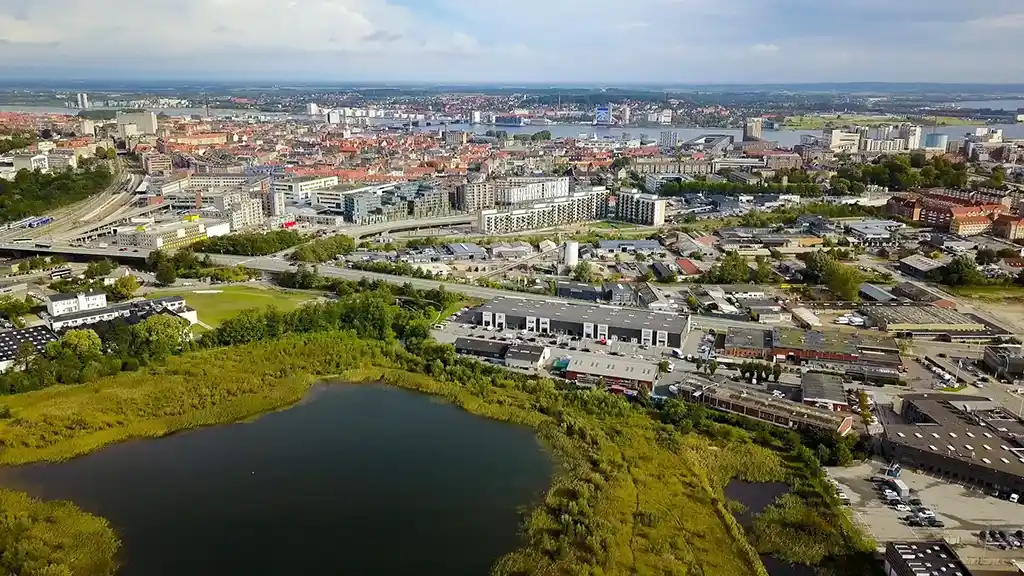
Aalborg (up in North Jutland) doesn’t try too hard—and that’s exactly why it works. It’s compact, walkable, and surprisingly stylish in a quiet, Scandinavian way.
Spend time in the old town for cobbled streets and colorful buildings, then head to the waterfront for modern architecture and new hotels that have helped freshen up the area. Aalborg also makes a great base for exploring North Jutland: Skagen’s dramatic coastline, big skies, windswept dunes, and a slower pace that feels like a reset.
Good for: low-key city breaks, design lovers, coastal day trips
Local vibe: relaxed, creative, not touristy in a forced way
If you’re flying in from farther away, business class can be a smart move here—Aalborg is the kind of place you want to arrive fresh, not wiped.
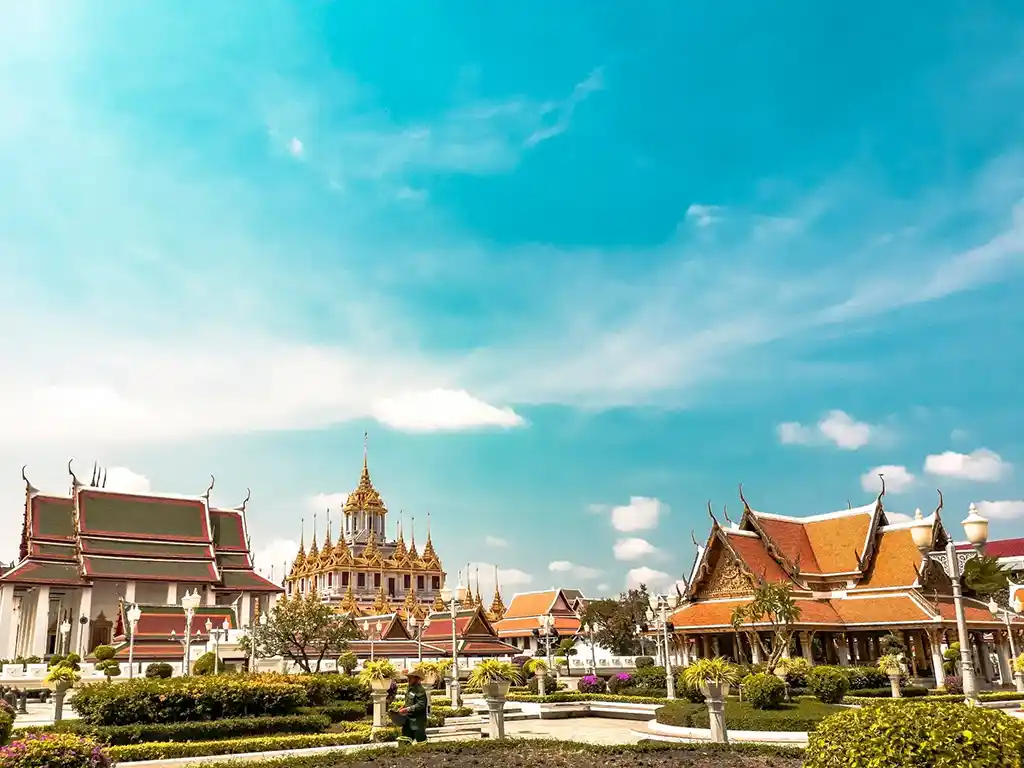
Bangkok is intense. It’s noisy, neon, chaotic, and honestly… kind of addictive.
What’s changed recently is how much the city is leaning into green spaces, big redevelopment projects, and wellness—without losing the street-food-and-night-market soul that makes Bangkok Bangkok. You can spend the morning temple-hopping, the afternoon getting a proper spa treatment, and the evening eating your way through a night market like it’s your job.
Good for: food, shopping, nightlife, temples, quick escapes to islands
Best move: mix old Bangkok (markets, canals, street food) with new Bangkok (design hotels, rooftop bars, wellness)
If you’re taking a long-haul, Bangkok is one of those routes where business class doesn’t feel like a luxury—it feels like a sanity saver.
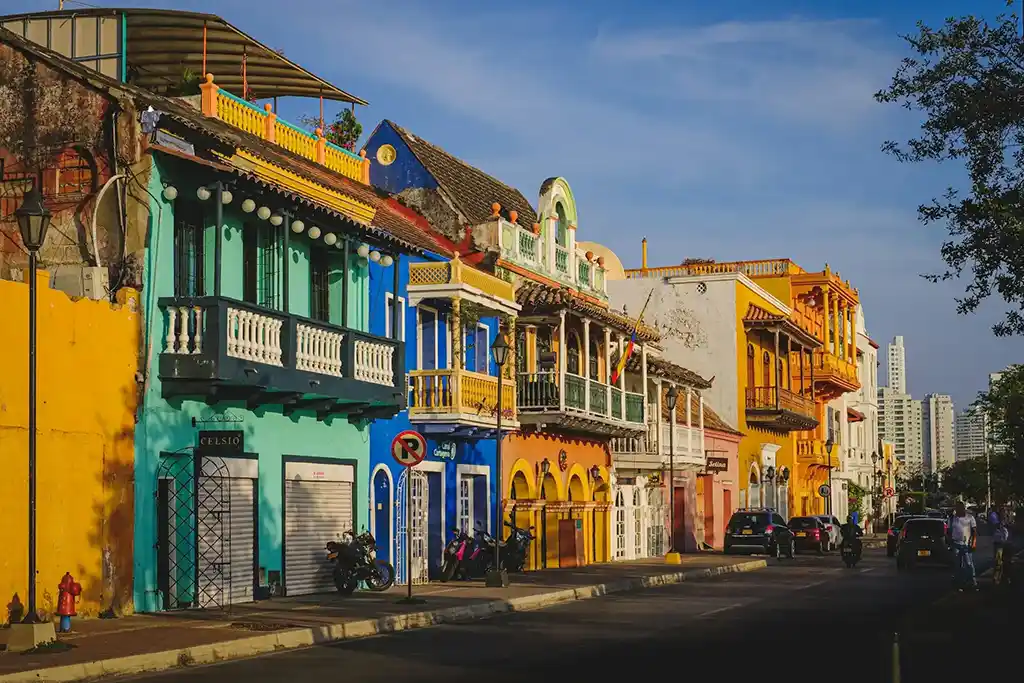
Cartagena has been popular for a while, but it’s moving into a more polished “luxury escape” lane—especially if you pair the old city with a nearby island stay.
Inside the walled historic center, you get colonial architecture, warm evenings, and that golden-hour glow that makes everything look cinematic. Then you can hop over to islands like Barú or Tierra Bomba for beach time—ideally in spots that take sustainability seriously, not just in their marketing.
Good for: romance trips, boutique hotels, culture + beach combos
Don’t rush it: Cartagena is best when you slow down—coffee, late dinners, wandering streets without a plan
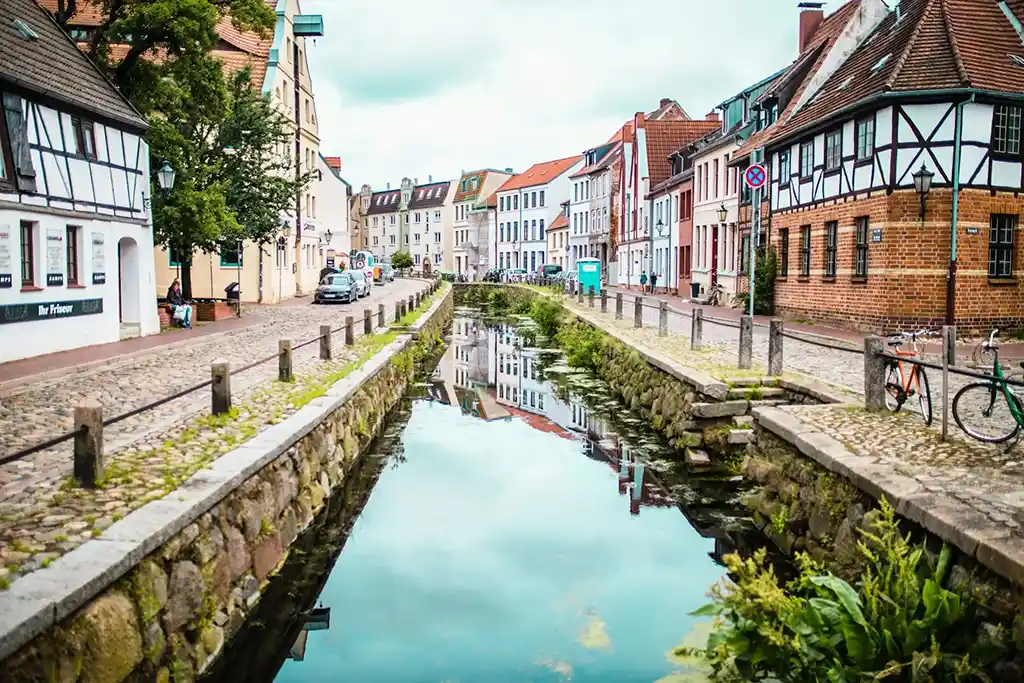
Germany is a strong “build-your-own trip” destination: big cities, smaller wine towns, castles, forests, and easy train routes that don’t require heroic planning.
Munich is an obvious highlight, especially if you like the mix of classic Old Town charm and modern, high-end hotels. And yes—Munich also has that unexpected surf spot on the Eisbach where locals casually ride waves in the middle of a city. It’s bizarre and great.
Good for: city-hopping, Christmas markets, river routes, food + beer culture
Pro tip: plan less, train more—Germany rewards flexible itineraries
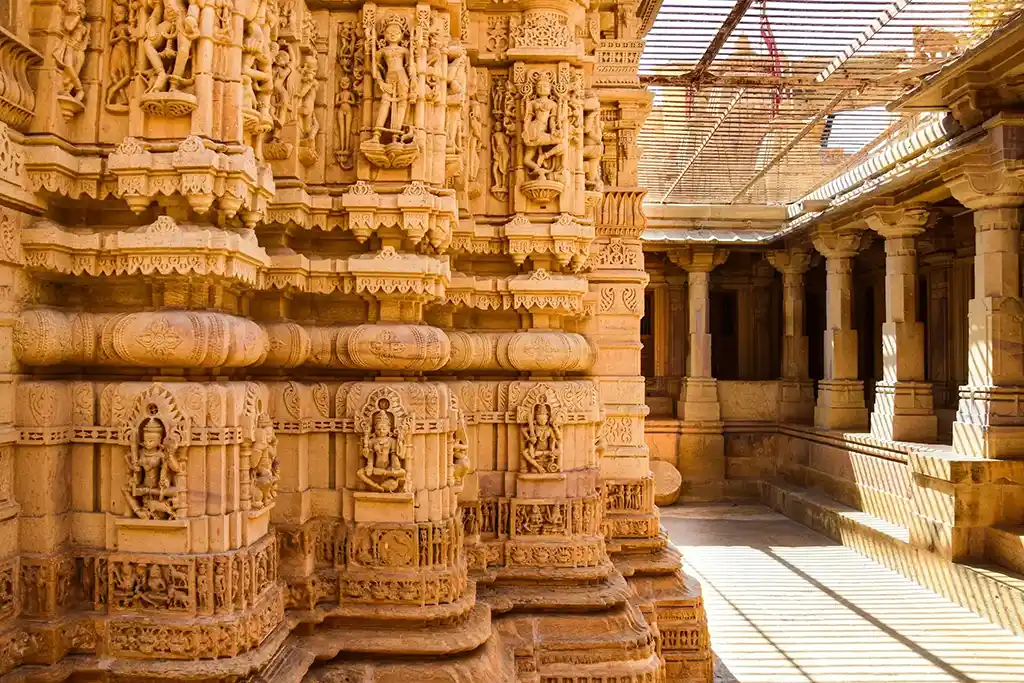
Rajasthan is one of those places that doesn’t feel like a “vacation” so much as an experience you carry home with you. Jaipur alone can fill a trip: forts, old markets, beautiful hotels, and design everywhere you look.
What makes Rajasthan especially tempting right now is the mix of classic heritage stays and newer boutique properties—smaller hotels that feel more personal, less “tour group.”
Good for: history, architecture, textiles, photography, big atmosphere
Travel style: go slower than you think you need to—Rajasthan hits harder when you’re not rushing
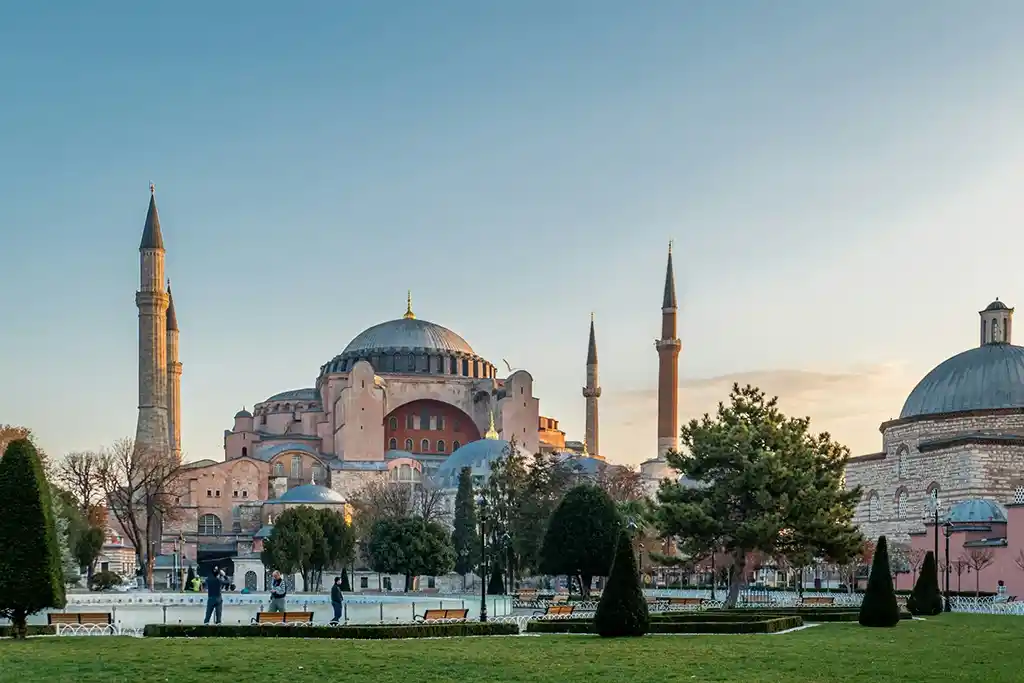
Istanbul is a city of contrasts that somehow makes sense: ancient sites, modern art, stylish hotels, and street food that can ruin you for other cities.
New development along the waterfront has added a fresh layer to the city experience, and there’s been real energy around museums, galleries, and high-end hospitality. One minute you’re underground in a centuries-old cistern, the next you’re on a rooftop with views that feel unreal.
Good for: culture, food, architecture, shopping, quick weekend breaks
Must-do: take a Bosphorus cruise, even a short one—it changes your perspective instantly
Campania (Amalfi Coast, Capri, Sorrento, Naples) is beautiful—and crowded. Both things are true.
The hotel scene here has been booming, and it’s easy to see why: cliffside views, romantic towns, incredible food, and day trips that feel like postcards. The trick is timing and pacing. Avoid peak summer if you can, and give yourself room to breathe.
Good for: “once a year” trips, food and wine, coastal scenery
Do it right: base in one spot, day-trip from there, and don’t try to see everything
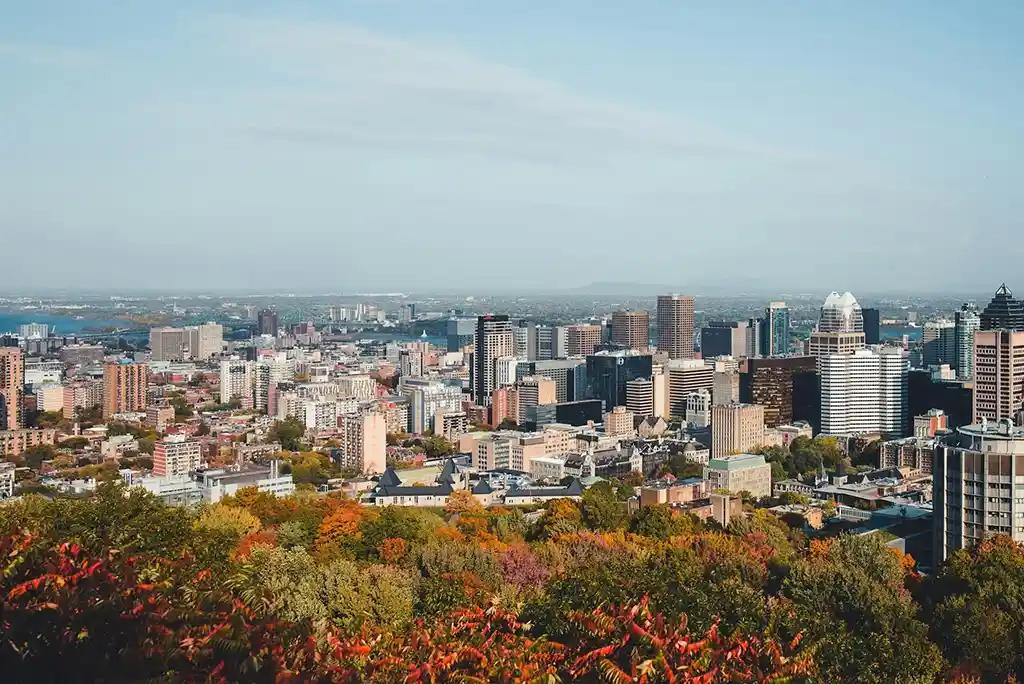
Montreal is the closest thing to Europe without the jet lag. It’s bilingual, creative, and always a little cooler than it needs to be (in a good way).
The city has been investing heavily in transit and public infrastructure, and it shows—getting around is easier than you’d expect. Add in newer luxury hotel options, and Montreal starts to feel like a smarter, more relaxed alternative to bigger North American cities.
Good for: food, neighborhoods, museums, short breaks, autumn trips
Eat like you mean it: Montreal is a “plan your meals” city
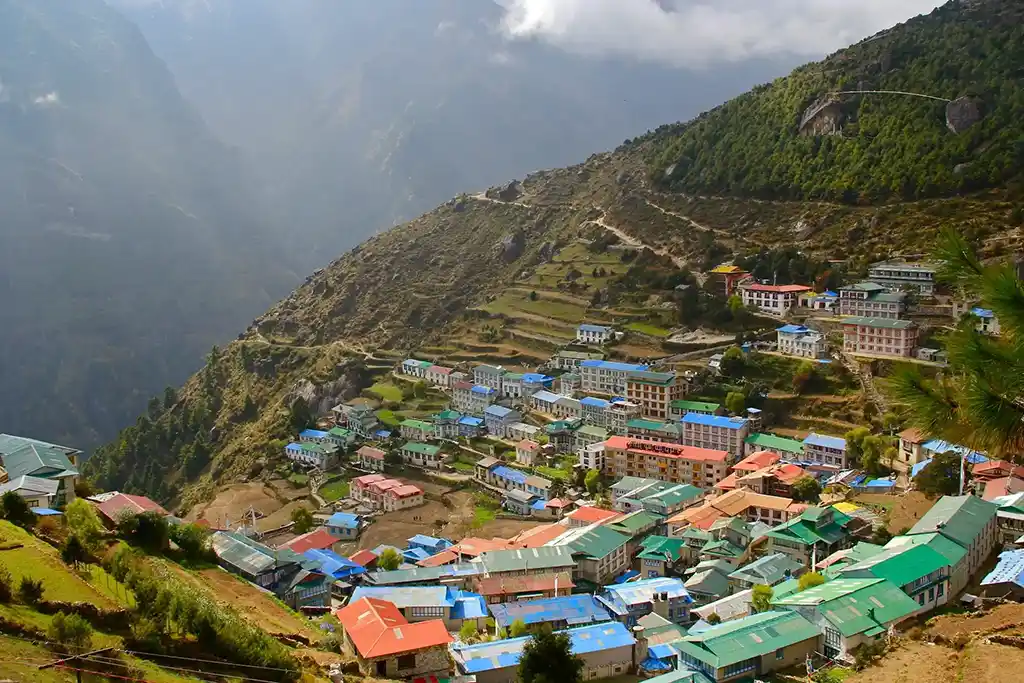
If you want something truly off-the-beaten-path—but still comfortable—Mustang is the kind of destination that feels like a flex and a spiritual reset at the same time.
This region has a remote, once-forbidden-kingdom reputation, and the landscapes are dramatic in that quiet, high-altitude way. New high-end lodges have made the area more accessible for travelers who want adventure without roughing it.
Good for: trekking, culture, silence, “I can’t believe this is real” views
Be honest: this isn’t a casual weekend trip—it’s a commit-and-reward kind of journey
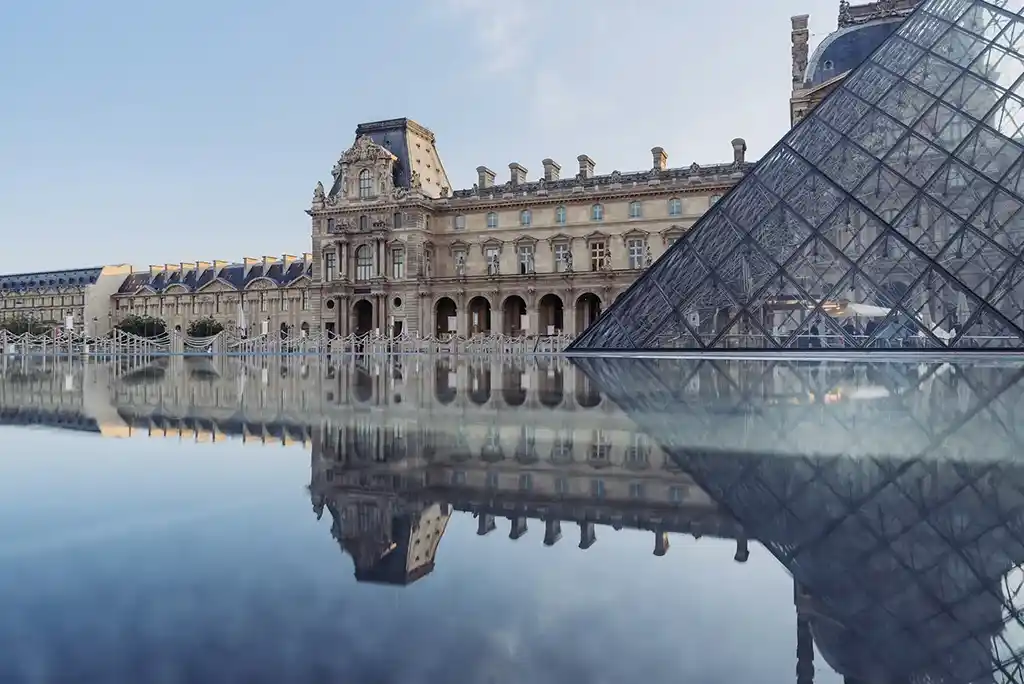
Paris doesn’t need a reintroduction, but it does keep reinventing itself: new hotels, updated classic institutions, new exhibitions—plus the kind of people-watching that should honestly be protected by UNESCO.
If you’re planning Paris in 2026, lean into the neighborhoods: morning walks, long lunches, museums when the weather turns, and evenings that aren’t rushed.
Good for: everything (annoying but true)
Do less: Paris is best when you leave time for wandering and small discoveries
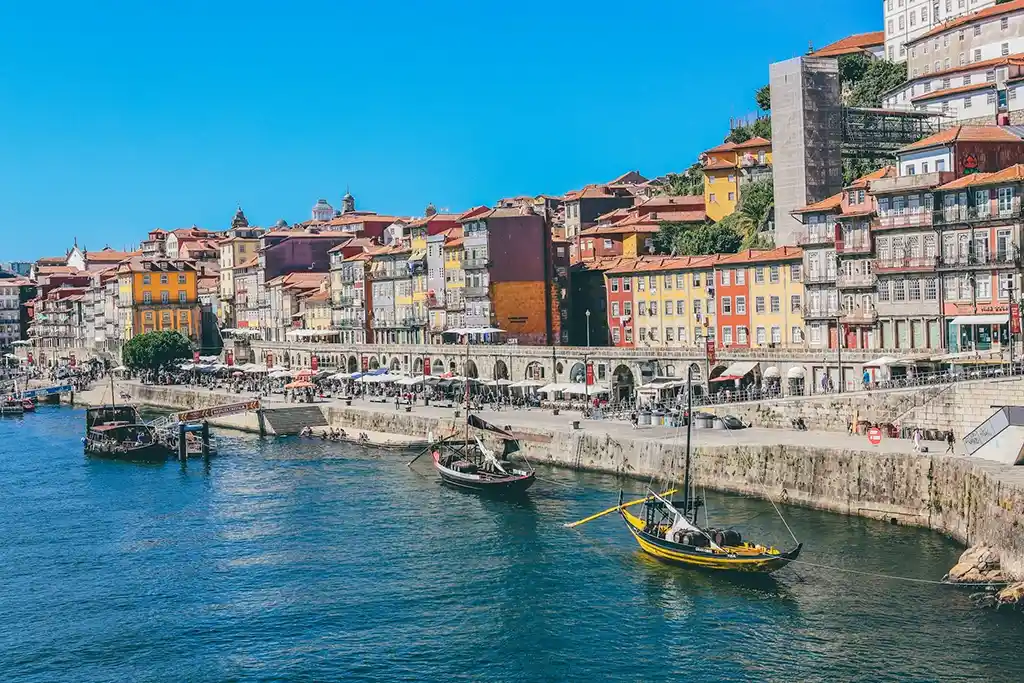
Portugal has quietly turned into one of Europe’s best “slow luxury” destinations—especially if you’re into wine, food, and scenic travel.
The Douro Valley is the obvious wine route (and yes, it’s stunning), but what’s changed is how many operators are leaning into sustainable practices—organic vineyards, lower-impact tourism, and experiences that feel more thoughtful than flashy.
Good for: wine travel, river routes, coastal cities, sunshine in shoulder season
Move: pair Lisbon or Porto with a few days outside the city for the full effect
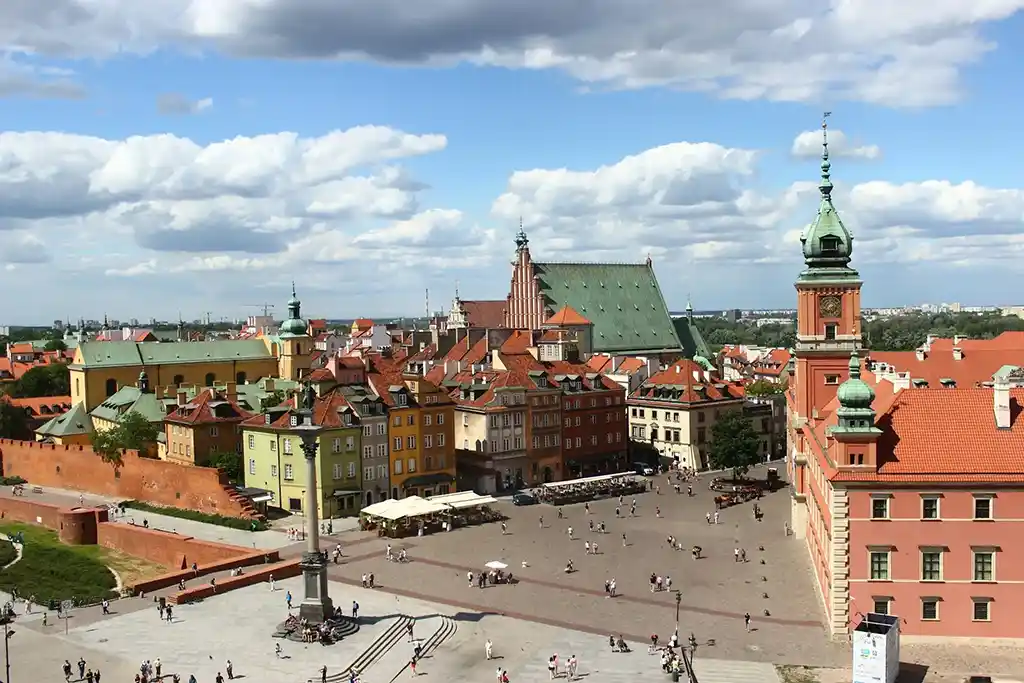
Warsaw has been building something for years: a modern cultural identity that doesn’t ignore history, but doesn’t get stuck in it either.
The contemporary art scene is growing fast, with major institutions expanding and new public projects bringing more art into everyday life. It’s a city that surprises people—especially travelers who assume they “already know” what Eastern Europe feels like.
Good for: museums, architecture, food, city breaks that feel fresh
Why now: Warsaw still feels like discovery, not a destination on autopilot
Blog