




Booking business class flights to Australia can feel like a puzzle — not impossible, just a little annoying. Prices bounce around, routes change, and the “perfect deal” always seems to show up right after you already booked. Here’s a cleaner, more human version of your text that keeps the same message but drops the AI-ish rhythm and salesy sheen.


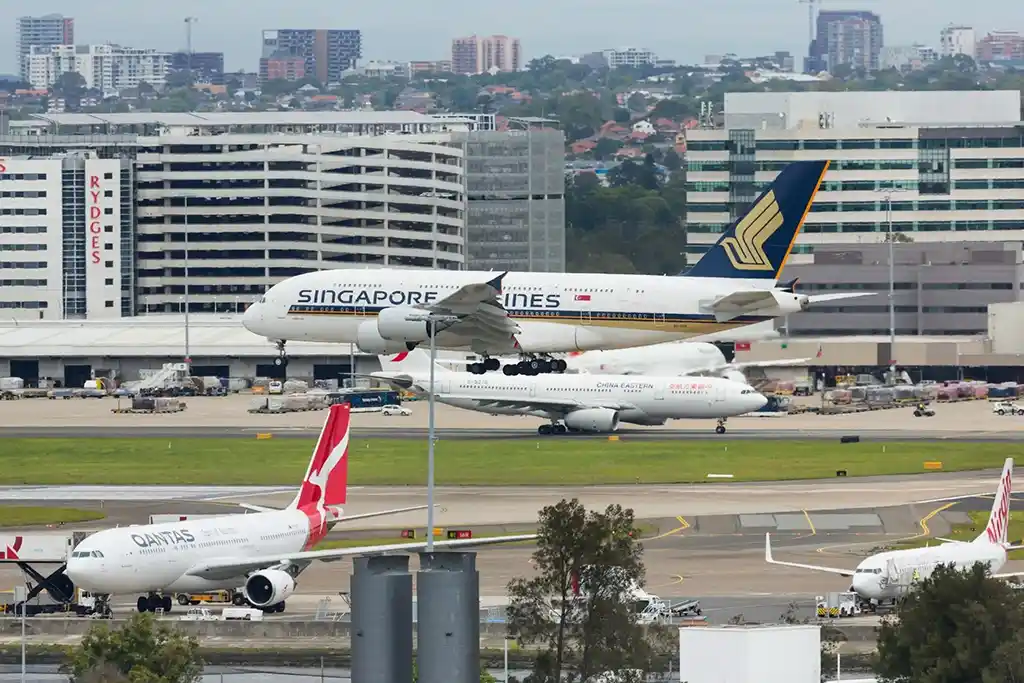


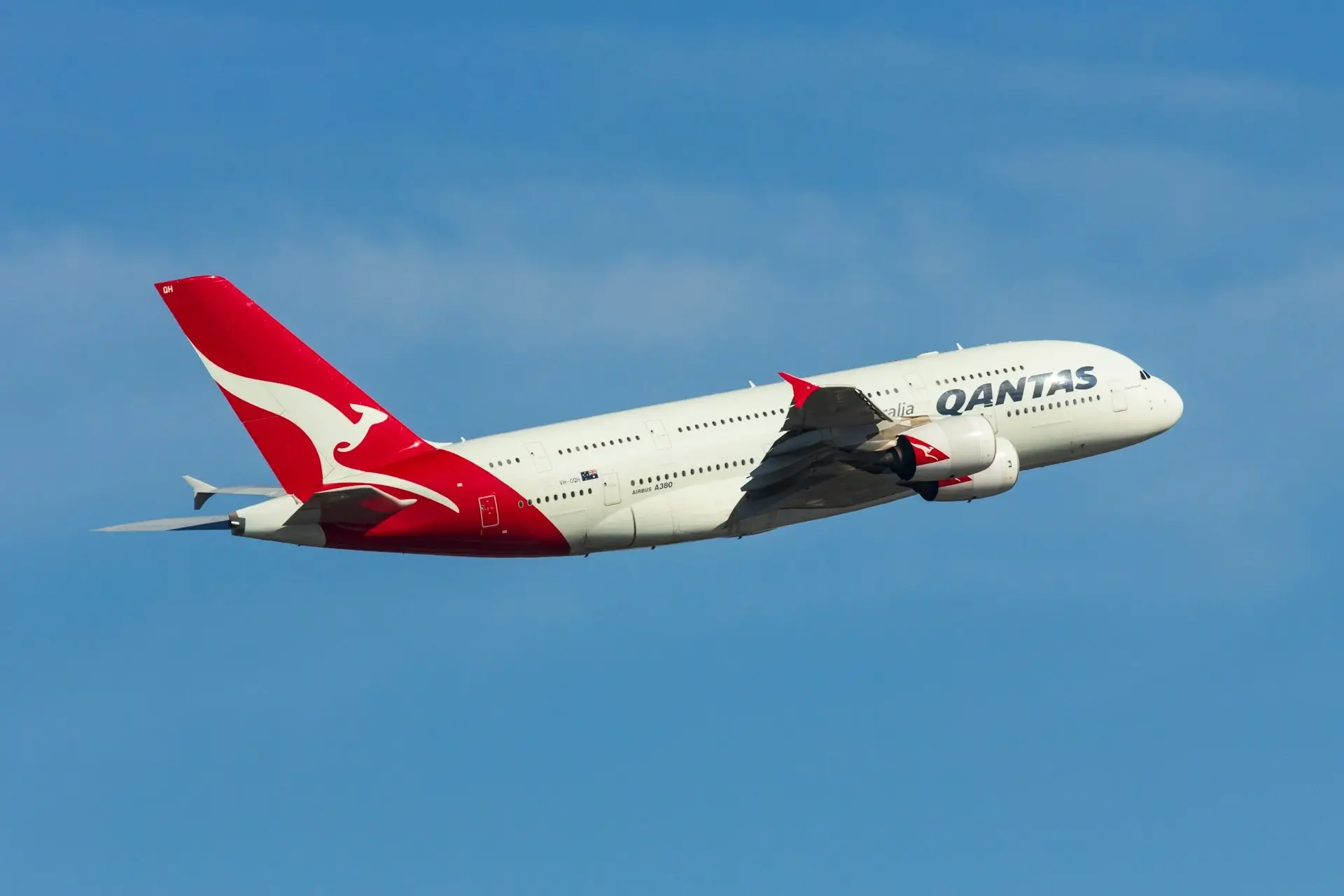
Business class to Australia is a big swing. Long flight, big price tag, and a lot of moving parts (dates, routes, aircraft, layovers). The good news: with a bit of strategy, you can land a solid fare and still get the lie-flat seat, lounge access, and the whole “arrive like a functioning human” experience.
Airlines usually load schedules up to about 11 months out, and that’s when you’ll see the best seat selection. If your dates are fixed — or you’re traveling during peak periods like December through February — booking early tends to save you from painful pricing later.
That said, last-minute deals do happen. Sometimes an airline looks at an unsold business cabin a week or two before departure and starts nudging prices down. I’ve snagged a $2,200 business seat to Sydney that was sitting around $4,000 earlier.
But it’s a gamble. If you need specific dates, don’t hang your whole trip on a last-minute miracle.
If you want cheaper business class, flexibility does more than any “hack.”
Midweek departures (Tuesday/Wednesday) are often cheaper than weekends.
Red-eyes and odd departure times can also price lower.
If you can start from a different airport, even nearby, it can make a surprising difference. I once saved about $1,300 by starting in San Francisco instead of Los Angeles — same destination, just smarter positioning.
Connecting through hubs like Singapore or Doha can be cheaper than flying nonstop, and honestly, those hubs can be part of the fun if you pick the right lounge.
This is the part people skip because it sounds old-school, but it can work.
Some agencies and consolidators have access to private fares that don’t show up on public search engines. Agencies like Business Tickets can sometimes pull better pricing, better routing, or add perks like more flexible change rules or extra baggage.
The other perk: they do the comparison work for you. If you don’t want to spend five nights opening 37 tabs and arguing with Google Flights, having someone handle it is worth it.
A few small habits can make a real difference:
Set fare alerts on Google Flights or Skyscanner and let prices come to you.
Use points wisely if you have them — Qantas and Singapore Airlines can be great, but availability can disappear fast.
Watch for upgrade offers after booking. Sometimes airlines will throw out paid upgrades close to departure if business class isn’t full.
Subscribe to airline promos (Qantas, Emirates, Singapore Airlines) — flash sales are rare, but when they hit, they’re worth grabbing.
Check alternative carriers like Fiji Airways or Philippine Airlines. They won’t be everyone’s first choice, but the pricing can be solid and the service is often better than people expect.
You don’t have to pay the top-end price to fly business class to Australia. If you start early, stay flexible, and use alerts (plus an agency when it makes sense), you can usually find something that feels like a win.
And once you’re stretched out in a lie-flat seat with decent food and a quiet cabin… yeah. The effort suddenly feels justified.
Blog