




The Best Airlines To Fly In 2026
Nearly 10,000 travelers shared feedback on the airlines they flew over the past year. The goal was simple: figure out who’s actually delivering a good experience right now, and who’s still making passengers grit their teeth from check-in to baggage claim.
We’re finally past the worst of the pandemic-era chaos, but air travel still isn’t “back to normal” in the old sense. Airlines are juggling shifting customer expectations, staffing pressure, new rules, and an economy that can change directions overnight. And because of that, people are picking airlines based on more than the cheapest fare. Comfort matters. Reliability matters. And nobody wants a trip that starts with stress.
For a lot of Americans, international travel is a big deal—sometimes a once-in-a-lifetime trip. Whether you’re chasing your first passport stamp or you’ve already got a few pages filled, the airline you choose can set the tone for the whole journey.
So… which U.S. carriers give you the widest reach, and which airlines tend to make economy, premium, and business class feel the least painful?

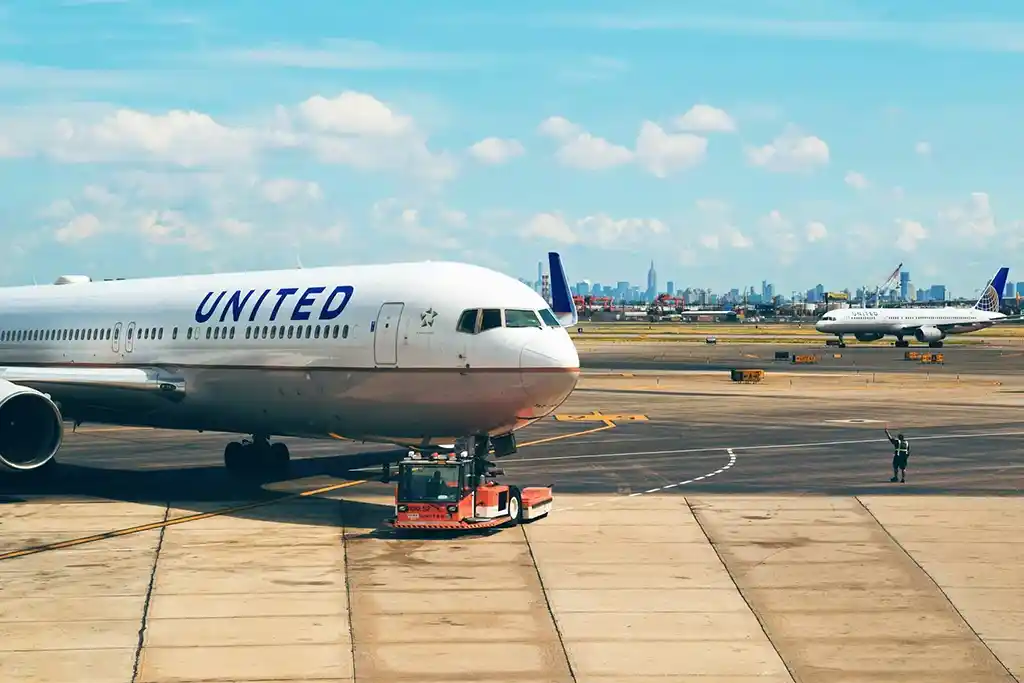
United has the biggest international footprint among U.S. carriers in this roundup. With nonstop service to 67 countries and 134 international destinations, it’s often the easiest starting point if you’re trying to build an itinerary with minimal headaches.
And if United doesn’t fly where you need to go, it’s a founding member of Star Alliance, which opens up a huge partner network across 195 countries. That means you can often stitch together a trip through partners like:
Air India
Air New Zealand
ANA (Japan)
Asiana Airlines (South Korea)
Ethiopian Airlines
Lufthansa (Germany)
Singapore Airlines
TAP Air Portugal
If you’re the type who flies a few times a year internationally, MileagePlus can be useful because you can earn and redeem miles across those partners—not just on United metal.
American is close behind, flying to 60+ countries and 350 destinations overall (including domestic). It’s also been expanding its international map with newer routes such as:
Copenhagen, Denmark
Nice, France
Naples, Italy
Ocho Rios, Jamaica
Tulum, Mexico
American’s real advantage is its membership in the oneworld alliance, which connects you to 900+ destinations across 170+ territories through partner airlines. Some of the most recognizable oneworld partners include:
British Airways
Iberia (Spain)
Japan Airlines
Qantas (Australia)
Qatar Airways
If you’re loyal to American (or want to be), AAdvantage miles can stretch further when you use them strategically across partners—especially on long-haul routes.
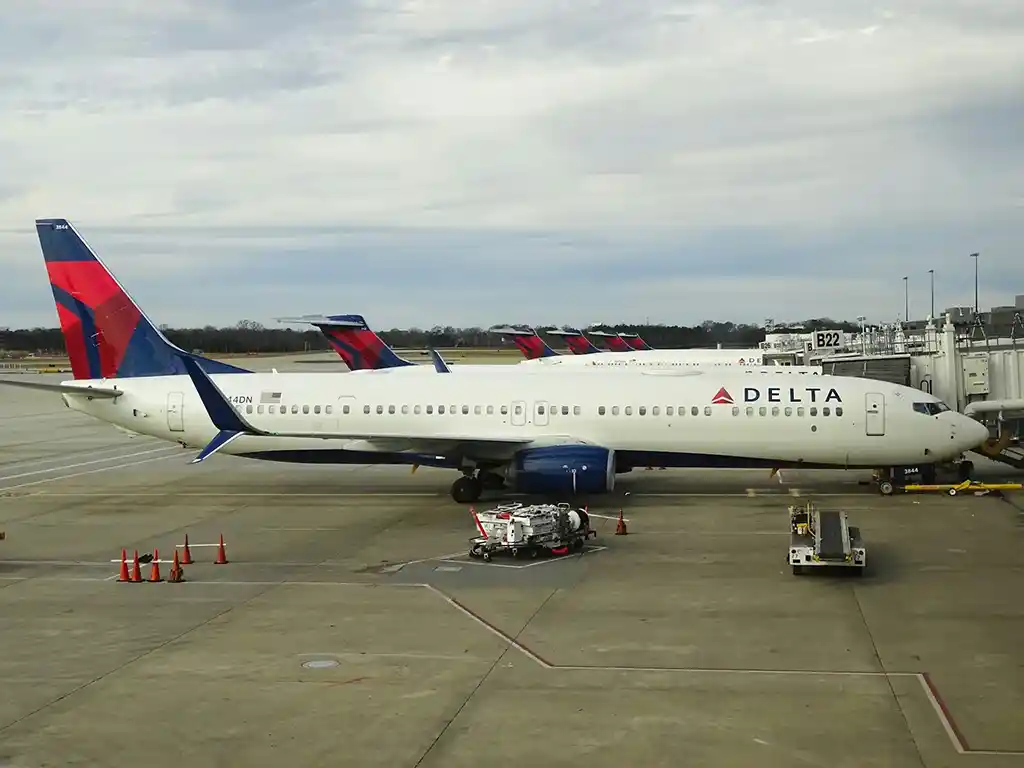
Delta’s network isn’t as wide on paper as United or American, but it still covers 50 countries directly—and with partners it can get you to 60 countries and roughly 1,000 destinations across six continents.
Key partners include:
Aeromexico
Air France
KLM (Netherlands)
Korean Air
LATAM
If you already earn SkyMiles, this is where Delta can be surprisingly strong: those partner options give you more ways to use miles (and more flexibility when you’re trying to route through major hubs).
If you’re flying from the U.S., you don’t have to default to an American carrier. Plenty of international airlines match (and sometimes beat) U.S. airlines on service and comfort, and you may find better routing, better onboard experience, or better value depending on your destination.
I’ve flown a mix over the years—Asiana, British Airways, Iberia, Japan Airlines, Lufthansa, TAP Portugal—and those experiences can become part of the trip. A layover at Seoul Incheon is its own mini adventure. Iberia can turn Madrid into a convenient overnight stop. TAP is basically a built-in excuse to spend time in Lisbon.
Sometimes the airline choice isn’t just logistics—it’s part of the story.
Let’s be honest: air travel can wear you down. Seats keep getting tighter, flights feel more crowded, and fees show up everywhere. But some airlines still manage to make the experience smoother—often because their staff is consistent, patient, and actually helpful when things go sideways.
Based on this year’s study, airlines that invest in training and hiring tend to score better on overall experience. And a good crew can genuinely rescue a bad travel day.
A couple of patterns stand out:
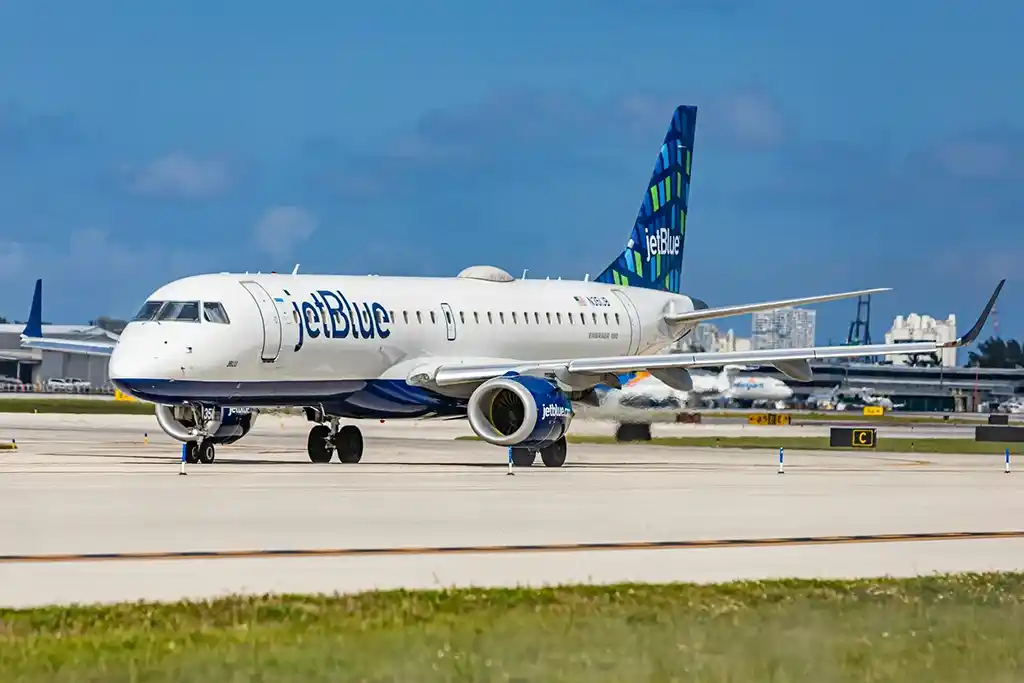
Delta and JetBlue were frequently described as “more comfortable,” mostly because of the small things that add up: Wi-Fi options, extra legroom on certain aircraft, and complimentary snacks and drinks.
Frontier landed at the bottom for comfort in the survey, largely because it offers fewer included amenities compared to competitors.
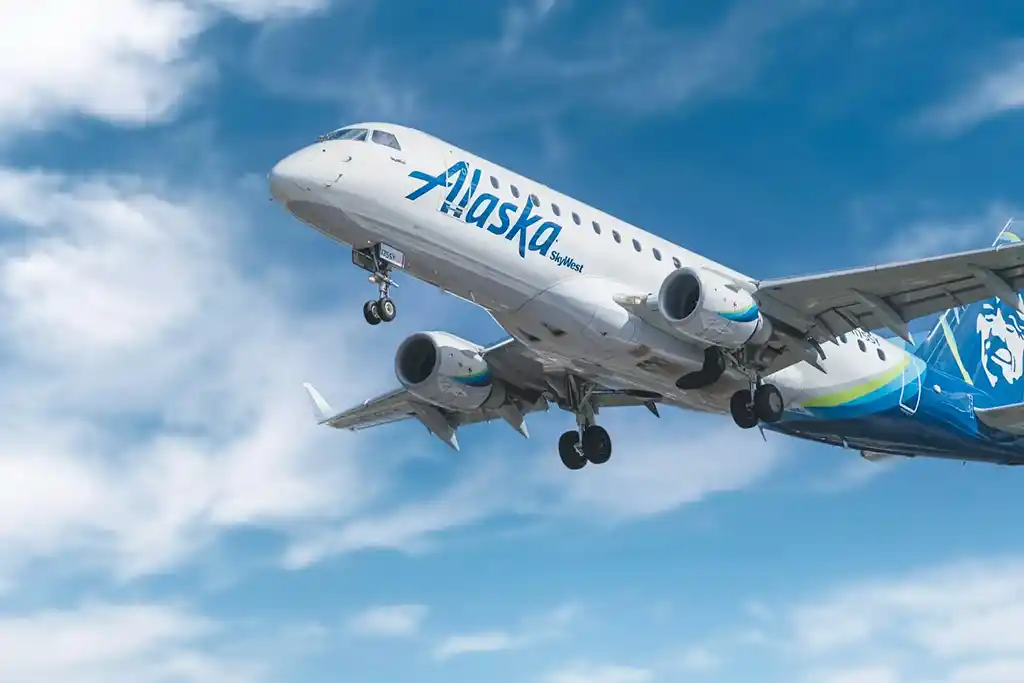
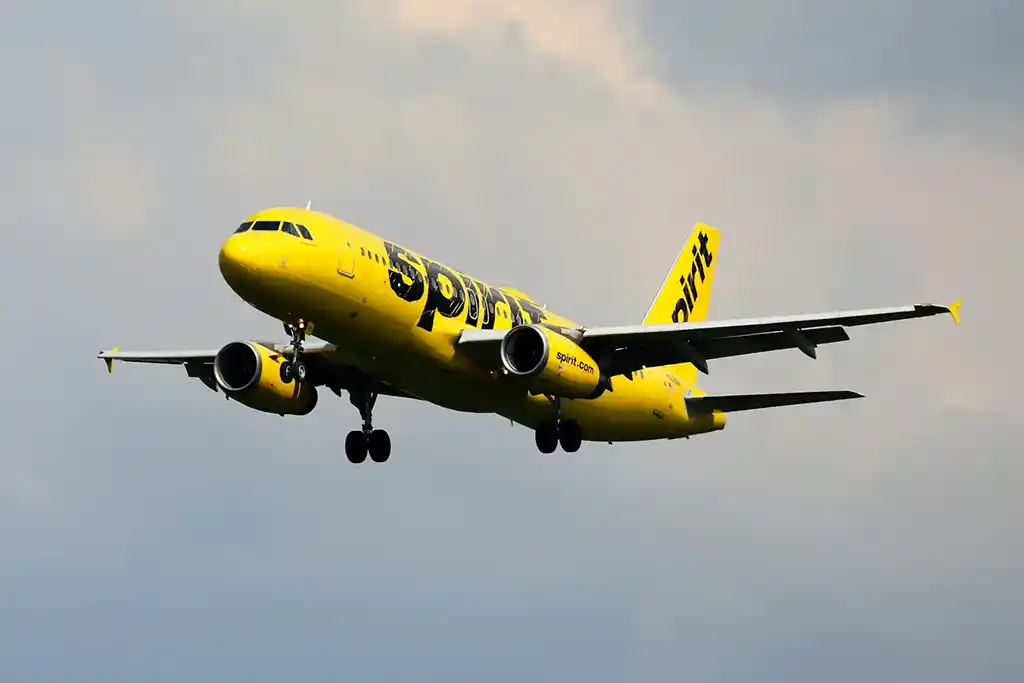
The study flagged Spirit Airlines as the top performer on safety metrics, citing a strong recent safety record (including no fatalities and relatively low injury counts over the years referenced). Alaska Airlines followed closely behind.
Most affordable: Spirit Airlines
Most expensive: American Airlines
If you’re flying long-haul in business class, it’s worth comparing more than just the sticker price—routing, layovers, and aircraft type can swing the “value” massively. If you want to save up to 60% on business class, agencies that specialize in premium fares (like Business-Tickets.com) can sometimes uncover private or negotiated rates that don’t show up in standard search results.
Blog