


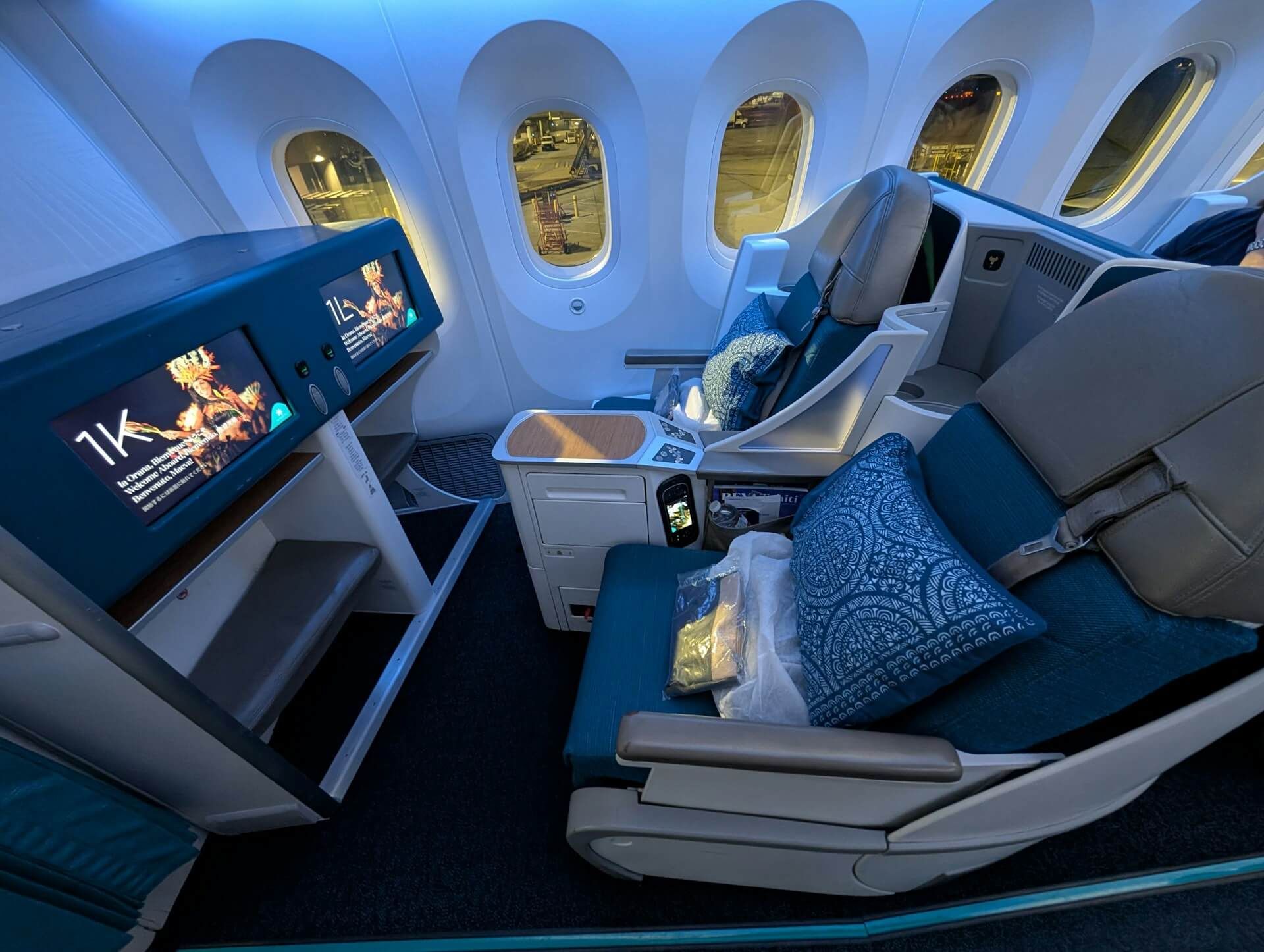

Business class is expensive. You've paid a premium for comfort, sleep, and a decent meal at 35,000 feet, so picking the wrong seat is a real cost. I've learned this through enough transatlantic flights and long-haul Pacific crossings to know that seat selection can make or break the entire experience, regardless of the airline.
The process starts with the seat map, but not the airline's version.
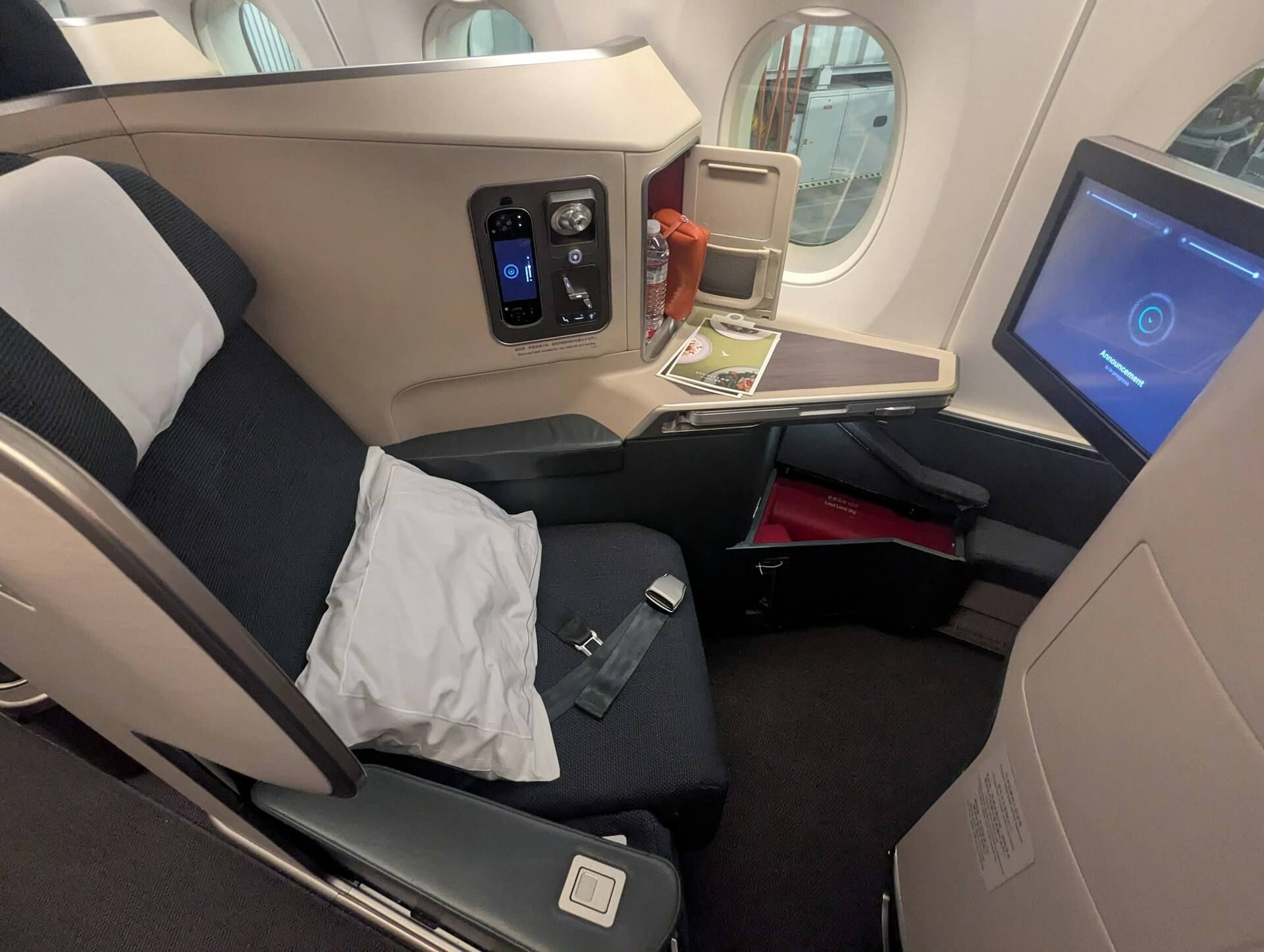
The first thing I do is pull up the aircraft seat map, but not the one the airline shows you at booking. Those maps are often outdated or stripped of detail. I use SeatGuru (part of TripAdvisor since 2007) and AeroLaopa for cross-referenced data, and I always check the specific aircraft variant, not just the aircraft type. AeroLaopa is particularly useful because it pulls seat pitch and width data directly from airline configurations and updates more frequently than SeatGuru on newer aircraft types.
Why does the variant matter? A Boeing 777-300ER operated by Singapore Airlines on one route might have a different cabin configuration than the same aircraft on another. Airlines regularly reconfigure cabins, and a seat that was rated excellent two years ago may now sit directly adjacent to a galley.
Ever booked what looked like a quiet mid-cabin seat, only to spend the night listening to crew stack meal trays two rows behind you? That's what skipping the variant check costs you.
Always Check the Variant: When searching seat maps, look for the exact aircraft subtype (for example, 777-300ER vs. 777-200LR). The cabin layout can differ significantly between variants on the same route. Calling the airline directly to confirm which variant is assigned to your specific flight takes about three minutes and removes the guesswork entirely.
This is the gold standard for long-haul flights. Every seat has direct aisle access, which means no climbing over a sleeping neighbor at 3 a.m. Airlines like Qatar Airways (Qsuites), Singapore Airlines (Business Class on the A380 upper deck), and Virgin Atlantic Upper Class run variations of this layout. Qatar's Qsuites product goes further by adding closing doors on most seats, which is as close to a private suite as business class gets.
Common on older aircraft and some regional long-haul routes. Window seats give you a wall to lean against, but aisle seats leave you exposed to foot traffic. Middle pairs work well for couples traveling together but are poor for solo travelers who value privacy. If you're on a 2-2-2 aircraft alone, the aisle is the safer pick for any flight over four hours.
Found on many Air France, Finnair, and older Cathay Pacific aircraft. Seats angle toward the window, and the bed is flat but diagonal. The catch: your feet point toward the fuselage wall, which can feel cramped on taller passengers. Window seats in herringbone configurations generally offer better privacy than the center pairs, and the angled shell creates a natural barrier from aisle traffic.
These wider-body configurations show up on some A380 and 777 cabins. The center column seats are generally the worst for solo travelers. Avoid them unless you're flying with a companion and specifically want side-by-side seating.
Configuration | Direct Aisle Access | Privacy | Best For |
|---|---|---|---|
1-2-1 | Yes (all seats) | High | Solo travelers |
2-2-2 | Window: No, Aisle: Yes | Medium | Couples (window pair) |
Herringbone 1-2-1 | Yes (angled path) | Medium-High | Solo, shorter long-haul |
2-3-2 | Center: No | Low | Couples (center pair) |
Note on herringbone aisle access: while every seat technically reaches the aisle without climbing over a neighbor, the angled approach can be awkward on some aircraft, particularly for passengers exiting during turbulence.
People ask me this constantly. My answer depends on the flight length and the configuration. (See the configuration table above for a quick reference.)
On a 1-2-1 layout, the window seat wins almost every time. You get a wall to lean against, natural light control because you own the shade, and no one walking past you. The aisle seat in a 1-2-1 is still good because you have direct access, but you'll occasionally get bumped by the cart on overnight services.
On a 2-2-2 layout, the window seat becomes complicated. You're boxed in. If you need the bathroom twice on a 12-hour flight, you're either waking someone up or contorting yourself past a sleeping stranger. On those configurations, I take the aisle without hesitation.
For short business class hops under four hours, the aisle is almost always better. You're not sleeping deeply, and the freedom to get up quickly matters more than the privacy.
Row 1 or the first row of any cabin section looks appealing on paper. More legroom, no one reclining into you. But the tray table folds into the armrest, making it bulkier and less flexible. Storage is limited because there's no seat pocket in front of you. Galley noise is a real problem on overnight flights, and bulkhead rows sit closest to the action.
Business class exit rows vary by aircraft. On some planes, exit row seats have reduced recline or a fixed shell that limits the lie-flat angle. Always check this specifically on SeatGuru before assuming an exit row is an improvement over a standard seat.
The final row before economy class or a dividing bulkhead often has reduced recline or sits directly next to the lavatories. The noise and foot traffic from economy passengers using business class lavatories (yes, it happens more than airlines admit) can be significant on overnight flights.
Galley noise on overnight flights is genuinely disruptive. Crew prep meals, run equipment, and talk loudly enough to wake you two rows back. If a seat is tagged with a galley warning on SeatGuru, I move on regardless of how good the rest of the seat looks. This is non-negotiable for me on any flight over eight hours.
My process takes about 10 minutes and saves real frustration.
The workhorse of long-haul business class. Configuration varies widely by airline. On Qatar Airways, the Qsuites product in a 1-2-1 layout with closing doors is genuinely excellent, and the double-bed configuration available on some seat pairs makes it the best option for couples. On older carriers still running 2-2-2, window seats in rows 6-10 (away from the galley at the front and the partition at the back) are the safest picks, though you should verify this against the current SeatGuru map for your specific airline.
Most airlines running the A350 in business class use a 1-2-1 layout. Singapore Airlines' A350 cabin is one of the better-executed examples, with 28-inch wide seats and a 78-inch lie-flat length. On this aircraft, I look for seats in the middle of the cabin, away from the forward galley and rear lavatories. Rows 11-18 on many A350 configurations tend to hit this balance, but always verify against your specific airline's layout on SeatGuru since cabin lengths vary.
The A380's upper deck business class is a different experience from the main deck. Upper deck cabins are quieter, have fewer passengers, and the 1-2-1 layout on airlines like Singapore Airlines and Emirates gives you a more intimate feel. On the main deck, avoid seats near the stairs connecting the two decks, which generate consistent foot traffic throughout the flight. Emirates' main deck business class on the A380 runs a 2-3-2 configuration, which makes the window seats the only sensible choice for solo travelers.
The 787 is worth seeking out specifically for long-haul flights. Boeing's own documentation confirms the aircraft maintains cabin altitude at 6,000 feet versus 8,000 feet on older jets, and humidity levels are higher, both of which reduce the dehydration and fatigue that make long flights miserable. Most 787 business class cabins run 1-2-1, and the larger windows make window seats the obvious pick. I avoid the last two rows on most 787 configurations because of proximity to the rear galley.
On a 1-2-1 aircraft for a long overnight flight: a window seat in the middle third of the cabin. Not the first two rows (galley noise), not the last two rows (lavatory proximity). The window gives me the wall, the shade control, and the privacy shell.
On a 2-2-2 aircraft: an aisle seat in the same middle-third zone. I accept the occasional cart bump in exchange for bathroom freedom on a 12-hour flight.
For daytime flights under six hours: the aisle, always. Sleep isn't the priority, and I want to move freely.
For flights with a travel companion: the center pair in a 1-2-1 configuration, if the airline offers paired seats with a shared console (like Qatar Qsuites or Singapore Airlines' double-bed option). Otherwise, two adjacent window seats in a 2-2-2 layout, where you're next to each other without being trapped.
Many airlines charge seat selection fees in business class, which is a strange practice given the ticket price. British Airways, for example, charges for advance seat selection on most business class fares unless you hold Gold or Silver Executive Club status or have a flexible fare ticket.
The fee is sometimes waived within 24 hours of departure when seats open up for general selection. If you're not committed to a specific seat, waiting until check-in opens can save you money and occasionally gives you access to seats that were held for elite passengers. That said, this varies significantly by airline and fare class, and it's not a reliable strategy on popular routes.
On popular routes and peak travel periods, the best seats go early. If you've identified a specific seat that matters to you (a particular Qsuite configuration or a window seat on a specific row), paying the selection fee is worth it. The cost of a bad night's sleep on a 14-hour flight is higher than any seat fee.
Key Takeaways:
Always verify the exact aircraft variant, not just the aircraft type
1-2-1 configurations give every passenger direct aisle access
Middle-third of the cabin avoids galley and lavatory noise
Window seats win on 1-2-1 layouts; aisle seats win on 2-2-2
Use SeatGuru plus recent FlyerTalk and AirlineQuality reviews for current seat conditions
AeroLaopa is the most reliable source for accurate seat dimension data by airline and variant
Seat selection fees are sometimes waived at check-in, but don't count on it for high-demand routes
FAQ
Middle-cabin window seats on 1-2-1 configured aircraft are consistently the strongest option. They offer direct aisle access, a wall for privacy, personal shade control, and distance from galley and lavatory noise. Rows in the middle third of the cabin, typically rows 8-16 depending on aircraft size, hit this balance most reliably. Always verify against your specific airline's current configuration on SeatGuru.
Blog