



Business Class vs Economy: An Expert's Guide to When the Upgrade is Worth It
After flying over a million miles across six continents, I've experienced every cabin class imaginable. From cramped middle seats in economy to private suites in first class, I've learned that choosing between business and economy isn't just about money—it's about understanding when premium comfort delivers genuine value versus when you're simply paying for bragging rights.
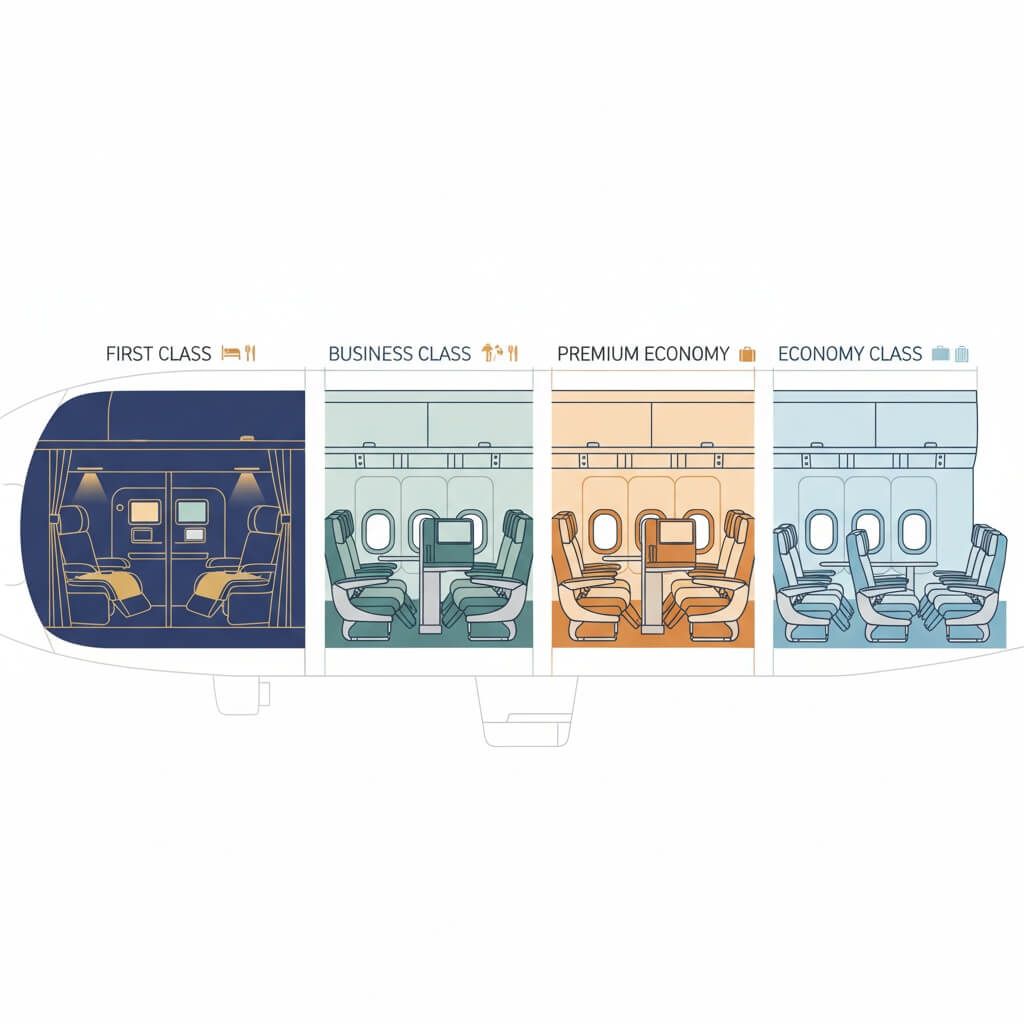
Modern aviation operates on a four-tier hierarchy that's evolved dramatically over the past two decades. Economy class remains the foundation—basic transportation with minimal frills. Premium economy bridges the gap between economy and business, offering improved comfort without the full premium experience. Business class delivers lie-flat beds, refined service, and priority treatment. First class sits at the apex, though it's increasingly rare as airlines focus resources on business class.
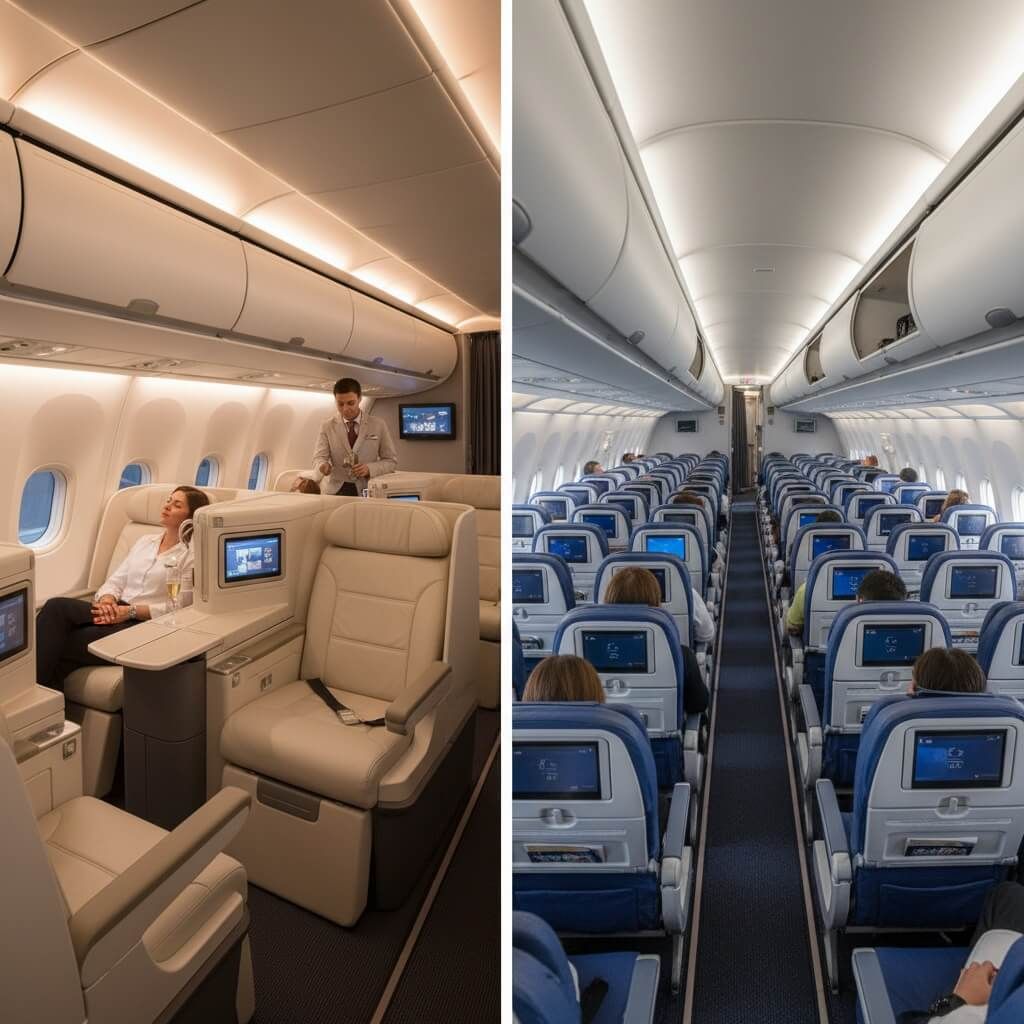
The distinctions weren't always this clear-cut. When I started flying regularly in the early 2000s, the gap between economy and business felt less dramatic. Today's differences are stark. Economy seats typically measure 17-18 inches wide with 30-32 inches of pitch, while business class provides 20-26 inches of width and 60-80 inches of pitch [Source]. That's not just numbers on paper—it's the difference between arriving exhausted or refreshed.
Key Takeaways
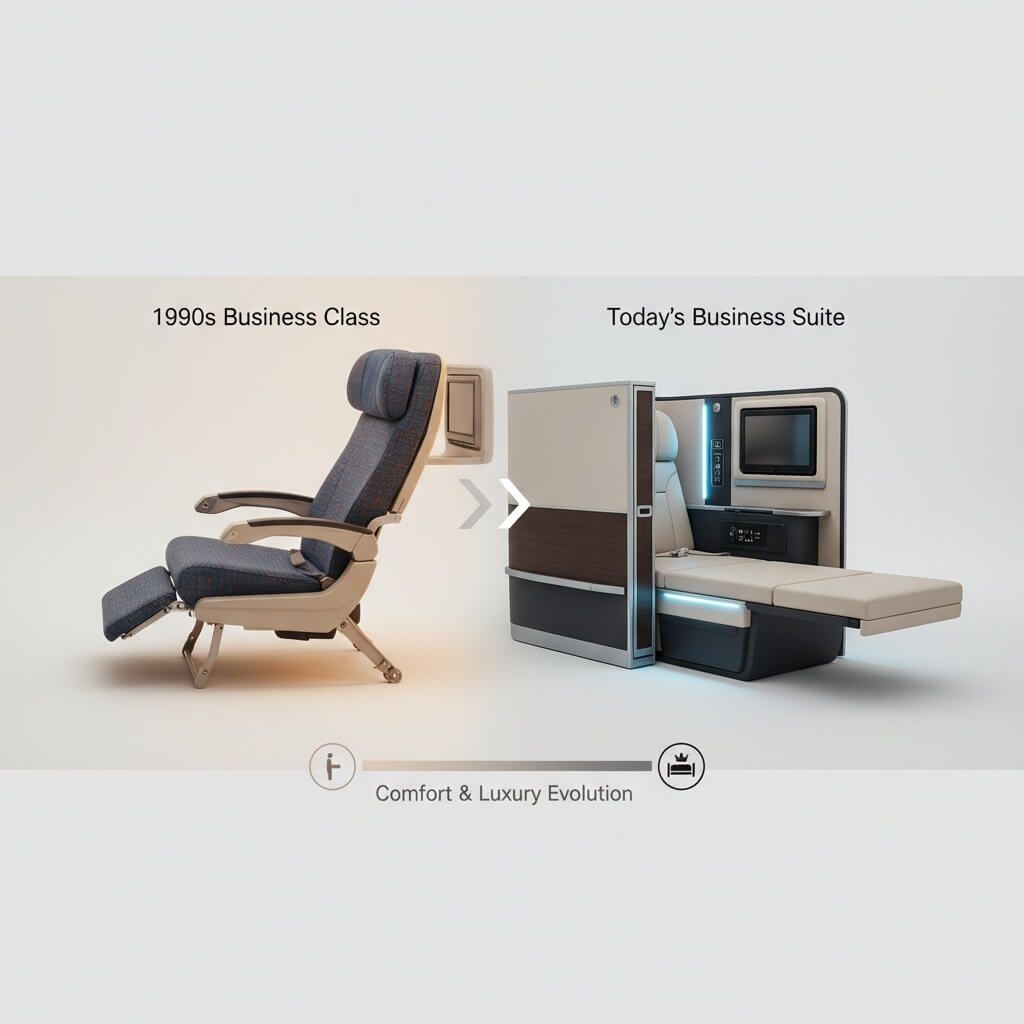
Business class has transformed from glorified economy-plus to genuine luxury travel. British Airways revolutionized the category in 2000 with the first lie-flat seats in business class—a move that redefined what premium cabin travel could be [Source]. Before this breakthrough, business class meant wider seats with extra recline. Nothing more.
I remember my first lie-flat experience on a British Airways 777 from London to Los Angeles. The ability to sleep horizontally on an 11-hour flight changed everything. Singapore Airlines, Virgin Atlantic, and Cathay Pacific quickly followed with their own innovations, introducing privacy panels and 1-2-1 configurations that gave every passenger direct aisle access.
Today's business class products would be unrecognizable to travelers from the 1990s. What started as angled lie-flat beds evolved into fully horizontal surfaces with luxury bedding. Airlines now compete on suite privacy, dining quality, and ground services rather than just seat comfort.
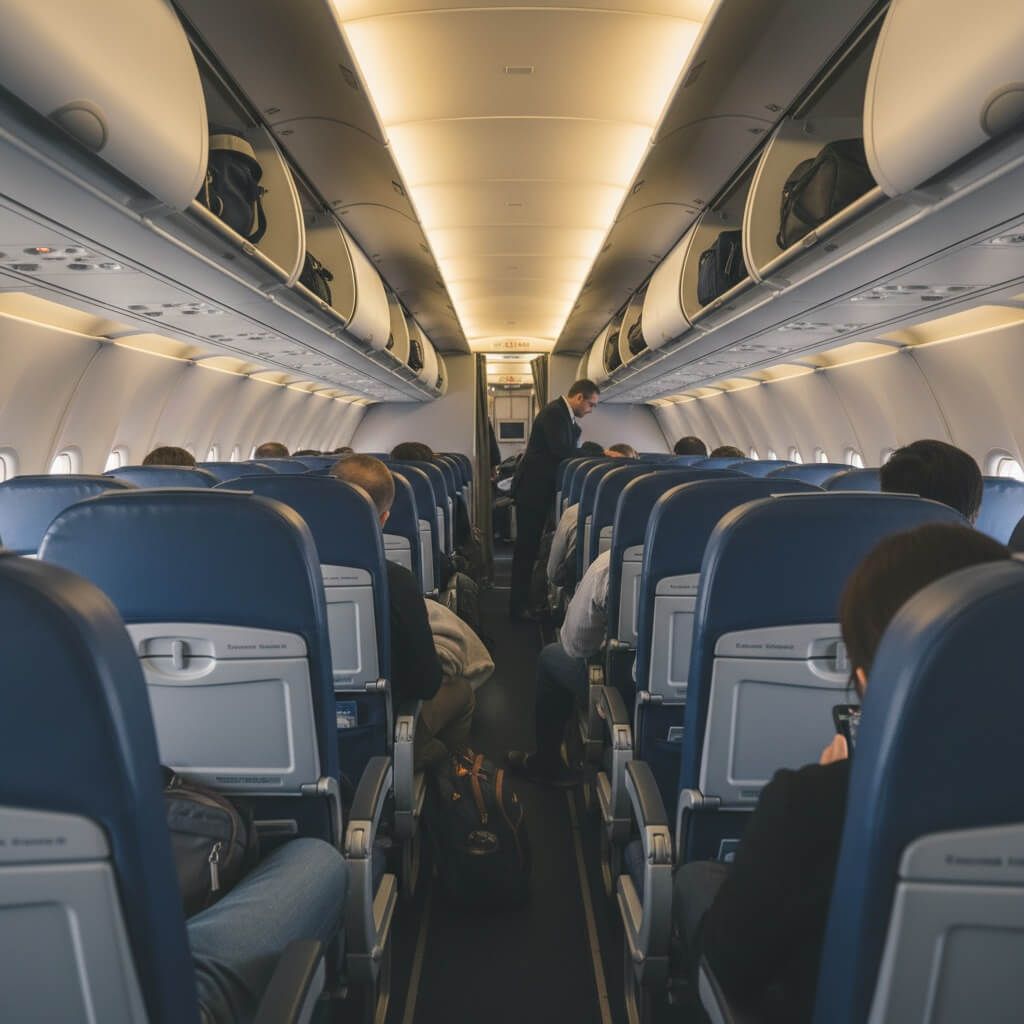
Let's be honest about economy class reality in 2024. Seat pitch has shrunk from the generous 34-inch standards of decades past to today's cramped 30-32 inches on most carriers [Source]. Some budget airlines squeeze passengers into 28-29 inches—barely enough room for average-height passengers to sit comfortably.
The experience varies dramatically by airline and aircraft type. Korean Air and ANA maintain 34-inch pitch on their long-haul economy fleet, while many US carriers hover around 30-31 inches. That 3-4 inch difference feels enormous on flights over six hours.
Service levels have declined alongside space reductions. Flight attendants manage larger passenger loads with fewer resources. Meal quality has improved on some international carriers, but domestic economy service remains basic. The saving grace? Most long-haul aircraft now offer personal entertainment screens and USB charging ports.
Premium economy deserves serious consideration for international travel. American Airlines' premium economy on their 787-9s offers 38-inch pitch and 19-inch width—meaningful improvements over standard economy's cramped dimensions [Source]. The improved dining and priority boarding add tangible value.
I've found premium economy particularly worthwhile on daytime flights where sleeping isn't essential. The extra space makes laptop work feasible, and the improved meal service helps pass time on 10+ hour journeys. Japan Airlines and Lufthansa offer especially strong premium economy products with restaurant-style service and amenity kits.
The pricing sweet spot makes premium economy attractive. At 1.45 times economy pricing for international flights, it delivers substantial comfort improvements without business class's 3-5x price premium. However, you won't get lie-flat beds or lounge access—factors that matter significantly on overnight flights.
After hundreds of flights in both cabins, certain differences stand out as genuinely meaningful rather than marketing fluff. The gap between business and economy has widened dramatically, creating distinct travel experiences rather than minor comfort variations.
Sleep quality tops my list of critical differences. Economy class sleep remains elusive on overnight flights—you might doze fitfully, but you won't get restorative rest. Business class lie-flat beds enable real sleep, arriving refreshed instead of exhausted. This difference compounds over multiple time zones.
Service ratios create noticeable impacts. Business class typically maintains 1:8-12 passenger-to-crew ratios, while economy operates at 1:30-50. The result? Attentive service in business class versus rushed interactions in economy. Flight attendants can actually address individual preferences rather than managing crowd control.
Top 5 Meaningful Differences:
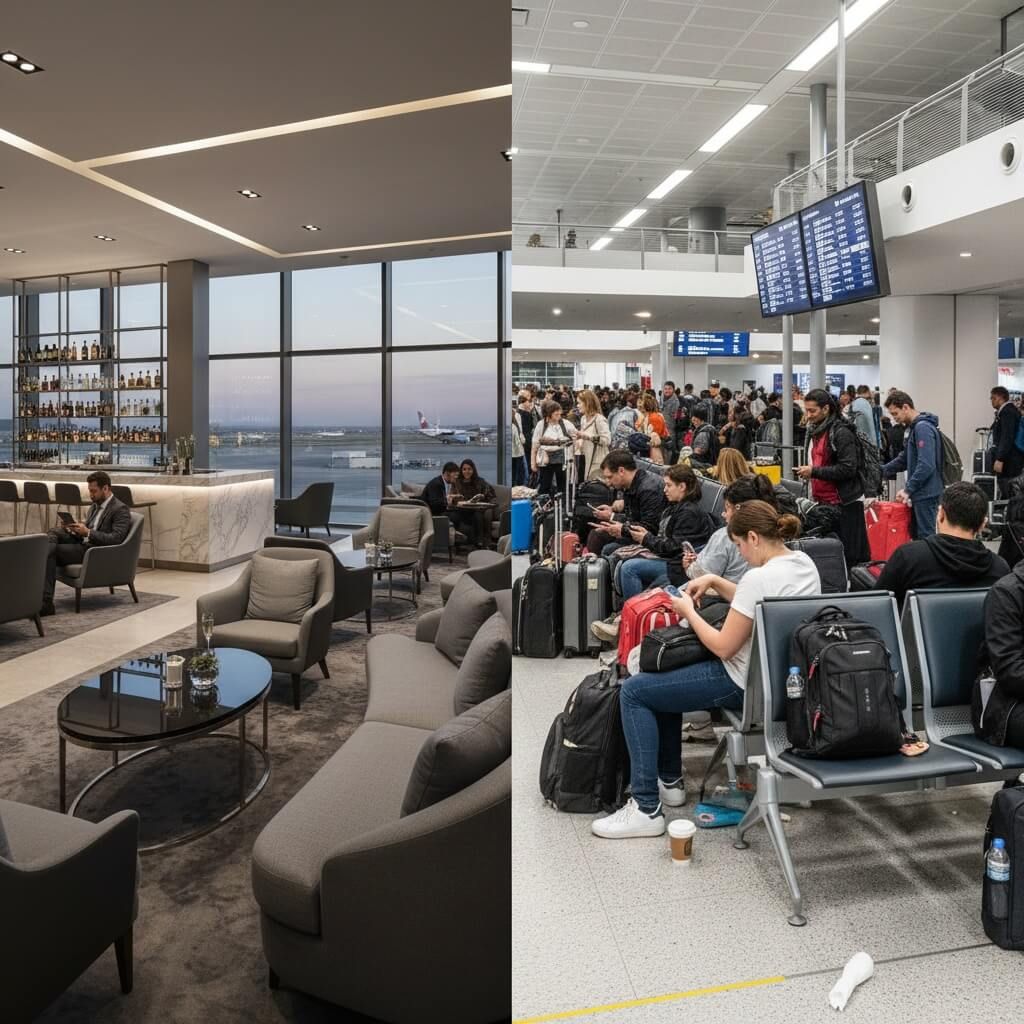
The business class experience begins at check-in, not takeoff. Dedicated counters eliminate waiting behind leisure travelers with oversized bags and complex itineraries. Priority security lanes—available at most major airports—save 15-30 minutes during peak periods.
Airport lounges provide the most tangible pre-flight benefit. During a weather delay in Frankfurt, Lufthansa's Senator Lounge became my office for six hours. Reliable Wi-Fi, comfortable seating, quality food, and shower facilities transformed a frustrating delay into productive time. Economy passengers faced crowded gate areas with limited food options and uncomfortable seating.
Priority boarding matters more than it sounds. Business class passengers board first, securing overhead bin space and settling in without crowds. Economy passengers often wait 30+ minutes in boarding queues, then struggle to find luggage space near their seats.
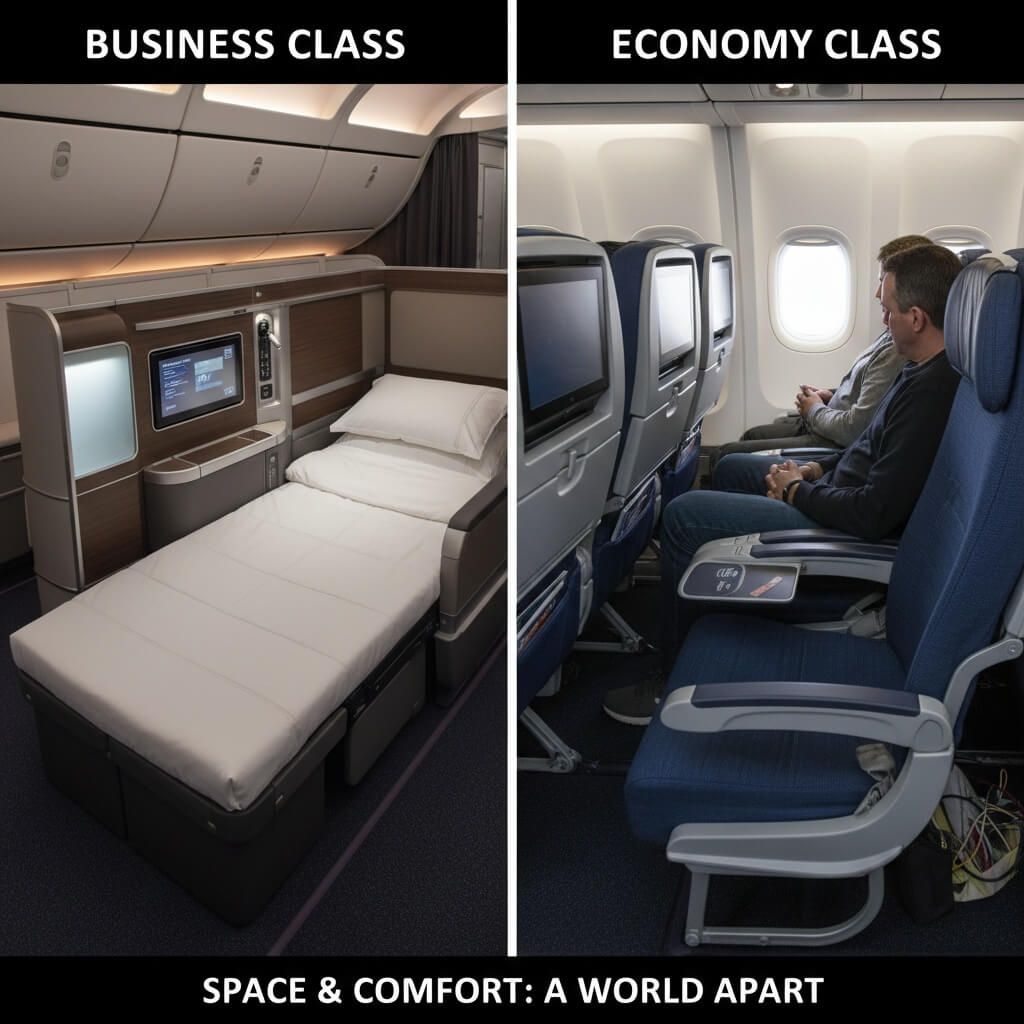
The physical space difference between cabins is dramatic. Business class seats measuring 60-80 inches of pitch versus economy's 30-32 inches isn't just numbers—it's the difference between stretching out comfortably and feeling trapped. Seat width improvements from 17-18 inches to 20-26 inches eliminate shoulder contact with fellow passengers.
Lie-flat capability transforms overnight flights. I've tested dozens of business class products, from United's Polaris with 78-inch pitch to Cathay Pacific's new Aria Suites. The ability to sleep horizontally, with proper bedding and pajamas, enables arriving at destinations ready for meetings rather than needing recovery time.
| Dimension | Economy Class | Business Class |
|---|---|---|
| Seat Width | 17-18 inches | 20-26 inches |
| Seat Pitch | 30-32 inches | 60-80 inches |
| Recline | 2-4 inches | 180 degrees (lie-flat) |
| Privacy | Open seating | Individual pods/suites |
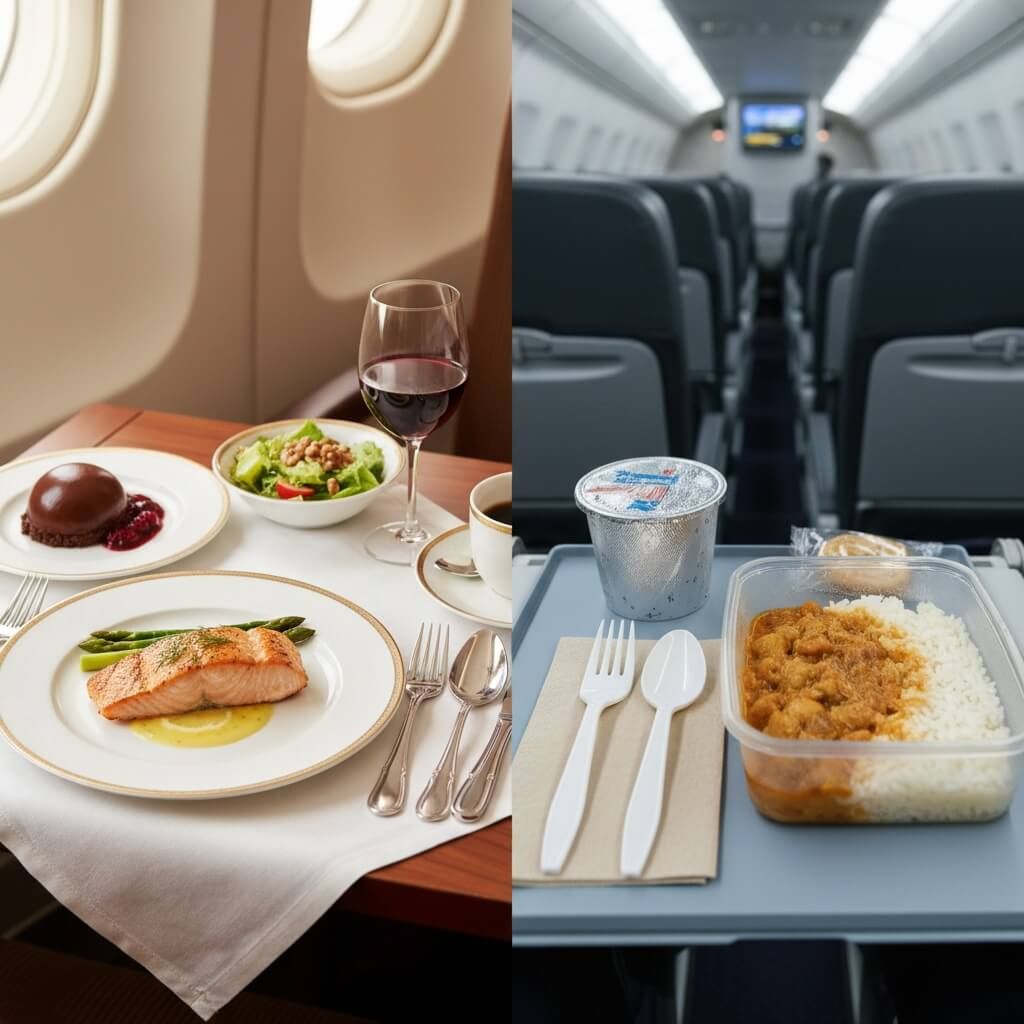
Business class dining varies wildly by airline. Singapore Airlines and Emirates deliver restaurant-quality meals with multiple courses and wine pairings. American carriers often disappoint with mediocre food presented elegantly. The key difference isn't always quality—it's choice and timing.
Economy meals arrive all at once on plastic trays. Business class features separate courses, real cutlery, and cloth napkins. More importantly, business class offers meal pre-selection and flexible timing. Hungry at 2 AM? Request a snack. Want to sleep through dinner? No problem.
Service attention creates noticeable differences. Business class flight attendants remember your name and preferences. They're proactive about refilling drinks and addressing needs. Economy service feels rushed—flight attendants manage too many passengers to provide personalized attention.
Long-haul international business class represents aviation at its finest. From check-in through arrival, the experience flows seamlessly. Priority everything—check-in, security, boarding, baggage—eliminates typical travel friction points.
The amenity kits deserve mention. Singapore Airlines provides Bulgari amenity kits with quality skincare products. Qantas includes their signature Flying Kangaroo pajamas. These touches seem minor but contribute to the luxury experience. Coach class passengers receive basic amenity kits if anything.
In-flight service reaches its peak on international routes. Flight attendants have time to provide genuine hospitality rather than rushing through service. The dine-on-demand menus let you eat when hungry rather than when convenient for crew. Quality bedding, including proper pillows and blankets, enables comfortable sleep.
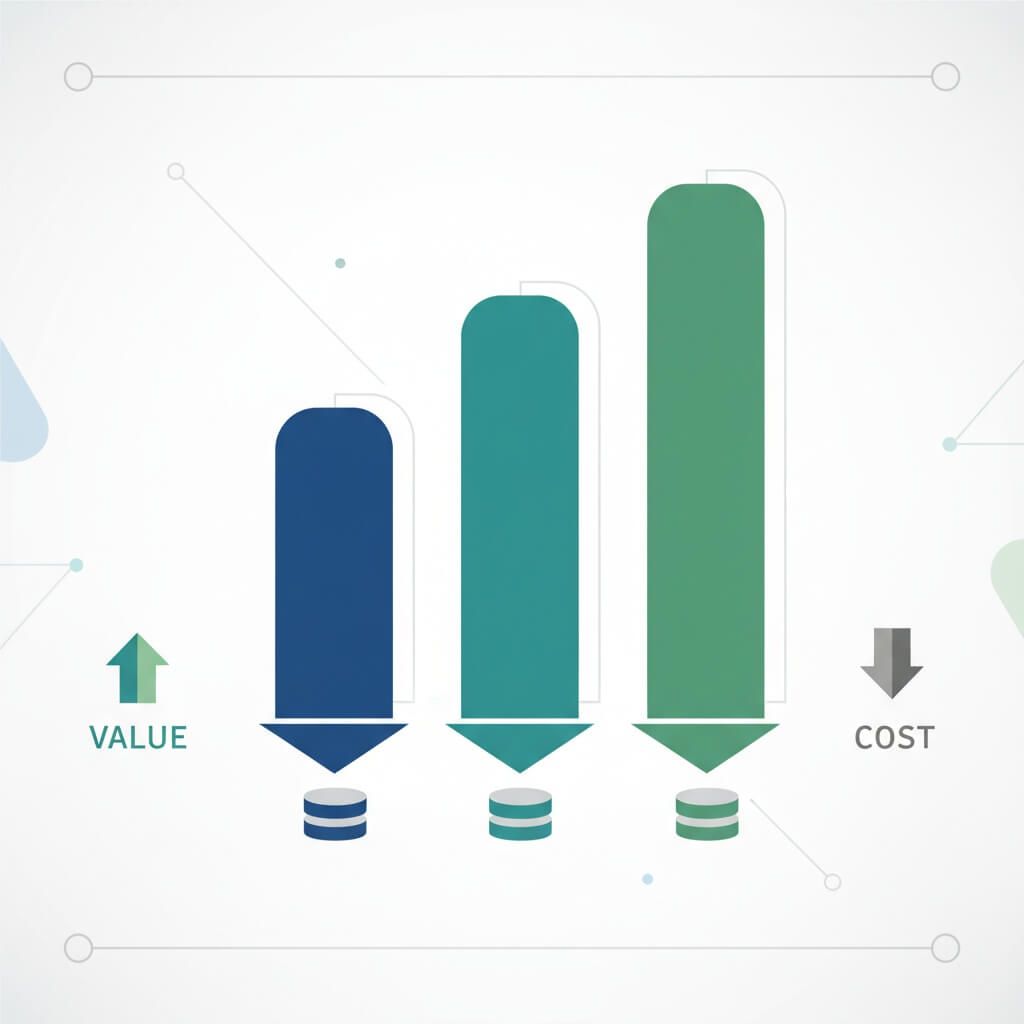
Business class typically costs 3-5 times economy pricing on international routes [Source]. A $800 economy ticket to Europe becomes $2,400-4,000 in business class. That seems astronomical until you calculate the hourly premium: $200-400 per hour for improved comfort on 8-10 hour flights.
Regional variations affect pricing significantly. Latin American routes often show smaller premiums—1.8-3 times economy pricing—while transatlantic and Asia routes command full 3-5x multiples. Short-haul North American flights sometimes offer reasonable 1.3-2x premiums for domestic first class.
I track these ratios obsessively. My personal threshold: $100 per hour or less makes business class worthwhile. A $1,200 premium on a 12-hour flight equals $100 per hour—acceptable for important business travel or special occasions. A $3,000 premium on the same flight equals $250 per hour—harder to justify.
| Route Example | Economy Price | Business Price | Hourly Premium |
|---|---|---|---|
| NYC-London (7h) | $600 | $2,100 | $214/hour |
| LAX-Tokyo (11h) | $800 | $3,200 | $218/hour |
| Miami-Buenos Aires (9h) | $700 | $1,800 | $122/hour |
Business class delivers value beyond the ticket price through productivity and arrival condition benefits. After testing both cabins on identical routes, I consistently arrive more alert and ready for meetings after business class flights. The productivity difference matters for business travel where time equals money.
Sleep quality research supports these observations. Studies show business class passengers achieve significantly better sleep efficiency compared to economy passengers [Source]. Better sleep translates to reduced jet lag and faster adjustment to new time zones.
The networking opportunities surprise many travelers. Business class passengers often include executives, entrepreneurs, and interesting professionals. I've made useful business connections during flights—relationships impossible to develop in economy's cramped conditions.
Hidden value factors not reflected in ticket price:
Overnight flights over eight hours represent business class's strongest value proposition. The ability to sleep horizontally and arrive refreshed justifies premium pricing for important business meetings or special occasions. I've never regretted upgrading for flights arriving early morning with same-day commitments.
Corporate travel scenarios where client impressions matter make business class essential. Arriving disheveled from economy doesn't project competence for million-dollar negotiations. The professional image and arrival condition justify costs for high-stakes business travel.
Special occasions warrant splurging. Anniversary trips, milestone birthdays, or once-in-a-lifetime vacations deserve premium treatment. The improved experience becomes part of the celebration rather than just transportation.
Top 5 scenarios when upgrading makes sense:
Short-haul flights under four hours rarely justify business class premiums. Domestic flights within North America, intra-European routes, and regional Asian flights offer minimal business class benefits. The lie-flat beds and improved service don't matter on 2-3 hour flights.
Daytime flights reduce business class value significantly. When you won't sleep anyway, paying 3-5x economy pricing for better meals and wider seats feels excessive. I deliberately book daytime transatlantic flights in economy, using the savings for destination experiences.
Budget-conscious travel requires hard choices. Family vacations, leisure trips, and personal travel often prioritize destination spending over flight comfort. Economy tickets free up thousands of dollars for hotels, activities, and dining at destinations.
Trip types where economy is sufficient:
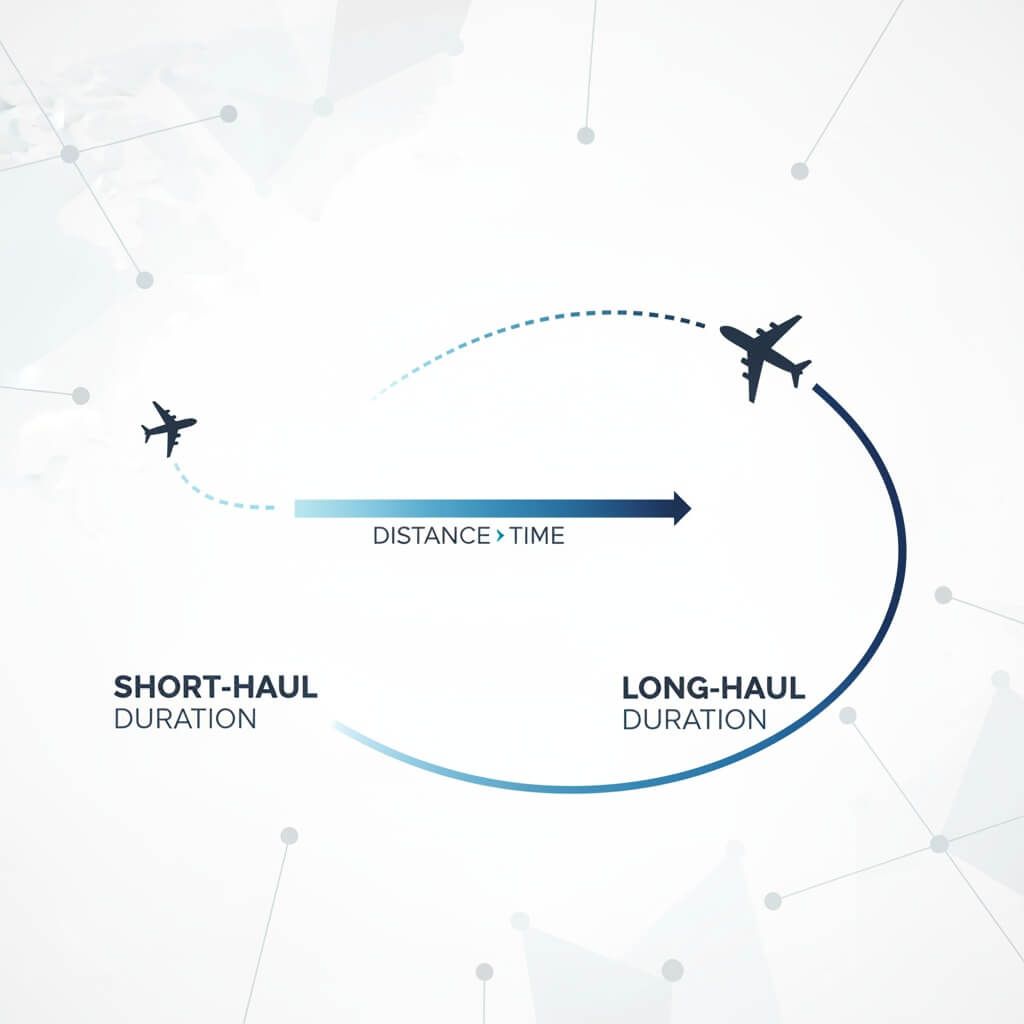
Flight duration determines upgrade value more than any other factor. My personal threshold sits at six hours—flights longer than six hours justify business class consideration, while shorter flights rarely warrant the premium.
Short-haul flights under four hours offer minimal business class benefits. Domestic first class provides wider seats and better meals but no lie-flat capability. The premium feels excessive for flights where you barely reach cruising altitude before beginning descent.
Medium-haul flights between four and eight hours occupy gray area. Transcontinental US flights, intra-European routes, and regional Asian flights offer some business class benefits without full international premium products. These flights require individual assessment based on timing, pricing, and personal priorities.
Long-haul flights over eight hours showcase business class at its finest. Lie-flat beds, improved service, and premium amenities justify higher costs. The ability to sleep comfortably and arrive refreshed creates tangible value worth paying for.
Airline policies vary dramatically for identical cabin classes. American Airlines business class allows two 32kg checked bags on international routes, while some carriers restrict business class to single bags [Source]. These policy differences affect overall value calculations.
Frequent flyer programs boost business class value through elite benefits. Delta Diamond members receive complimentary upgrades to Delta One, while United Premier 1K members get business class upgrades 96 hours prior to departure. Elite status transforms upgrade economics completely.
Baggage policies alone can justify cabin upgrades. Business class typically allows 32kg bags versus economy's 23kg limits. For equipment-heavy travel or extended trips, the additional baggage allowance provides tangible value beyond seat comfort.
| Policy Area | Economy Class | Business Class |
|---|---|---|
| Checked Bags | 1 bag @ 23kg | 2 bags @ 32kg |
| Changes | Fees apply | Often free |
| Mileage Earning | 100% base | 150-200% base |
| Upgrades | Limited availability | Priority consideration |
Airline booking codes determine upgrade eligibility, mileage earning, and change flexibility. Understanding these alphanumeric mysteries helps maximize travel value and upgrade opportunities.
Delta's system exemplifies the complexity. First class uses code F, Delta One uses D, and Premium Select uses P, Q, U, A, G codes. Main Cabin uses M, while Basic Economy uses restrictive B and L codes that prohibit upgrades entirely [Source].
Upgrade eligibility depends heavily on booking codes. Delta Global Upgrade Certificates work on most economy fares except Basic Economy's E class. Full-fare Y tickets clear upgrades before discounted fares, regardless of elite status or request timing.
I've learned to avoid restrictive fare classes when upgrade potential matters. Basic Economy saves money upfront but eliminates upgrade possibilities. Paying slightly more for standard economy preserves upgrade options and elite benefits.
Credit card welcome bonuses provide the fastest path to business class redemptions. Chase Sapphire Preferred's 60,000-point bonus transfers directly to airline partners at 1:1 ratios. A single welcome bonus can fund multiple premium cabin awards with strategic planning.
Points accumulation through everyday spending builds award balances quickly. Dining at participating restaurants, travel purchases through credit card portals, and category bonuses generate points faster than flight-only earning. I've earned enough points for Singapore Suites through credit card spending alone.
Transfer partners offer better redemption values than credit card travel portals. Flying Blue (Air France/KLM) provides business class awards to Europe for approximately 50,000 points—excellent value compared to cash prices. Singapore Airlines requires 97,000 miles for premium cabin awards but delivers unmatched luxury.
Top strategies for affordable premium travel:
Elite status transforms upgrade economics completely. Delta Diamond members receive complimentary Delta One upgrades on departure day, while Platinum members get upgrades 120 hours prior. The upgrade windows and priority make elite status worthwhile for frequent travelers.
Credit card portfolios accelerate elite qualification and provide upgrade certificates. American Airlines Executive Platinum members earn up to eight systemwide upgrade certificates annually—useful assets for business class access. These certificates work on full-fare tickets without additional fees.
Status matching provides fast-track elite benefits when switching airlines. Successful status matches grant immediate elite benefits without starting from zero. I've used status matching to access better upgrade programs and elite benefits across multiple carriers.
Strategic booking maximizes upgrade odds. Premium economy tickets with elite status often upgrade to business class when premium cabins sell out. This strategy provides backup comfort with potential for full business class experience.
Steps to optimize loyalty program benefits:
Upgrade bidding systems allow economy passengers to bid for premium cabins. I've successfully bid $200-400 for business class upgrades on international flights—significantly less than retail price differences. Success rates vary by route and season but provide affordable upgrade opportunities.
Last-minute upgrades become available as departure approaches. Airlines prefer selling upgraded seats to existing passengers rather than leaving premium cabins empty. I monitor upgrade availability starting 72 hours before departure for best opportunities.
Certain routes and times offer better upgrade prospects. Off-peak travel periods, less popular destinations, and midweek departures show higher upgrade availability. Business-heavy routes on weekends often have upgrade space when corporate travelers stay home.
Timing tactics with success probabilities:
Aircraft configuration research prevents disappointing surprises. Airlines operate multiple business class products on identical routes—some featuring modern suites while others use outdated angled-flat seats. Researching specific aircraft types ensures you know exactly what you're buying.
AeroLOPA provides detailed, to-scale seat maps for hundreds of airlines and aircraft types. Unlike outdated tools like SeatGuru, AeroLOPA updates regularly and shows exact cabin layouts, seat locations, and amenity positions. I verify every business class booking using AeroLOPA's precise diagrams.
Seat selection tools reveal important details about specific flights. Window positions, lavatory proximity, galley locations, and bassinet positions affect comfort significantly. AeroLOPA's scale drawings help identify optimal seat locations within business class cabins.
Cross-referencing multiple sources provides complete pictures. AeroLOPA for seat maps, airline websites for amenity details, and review sites for passenger experiences create comprehensive research profiles. This process has saved me from several disappointing business class products.
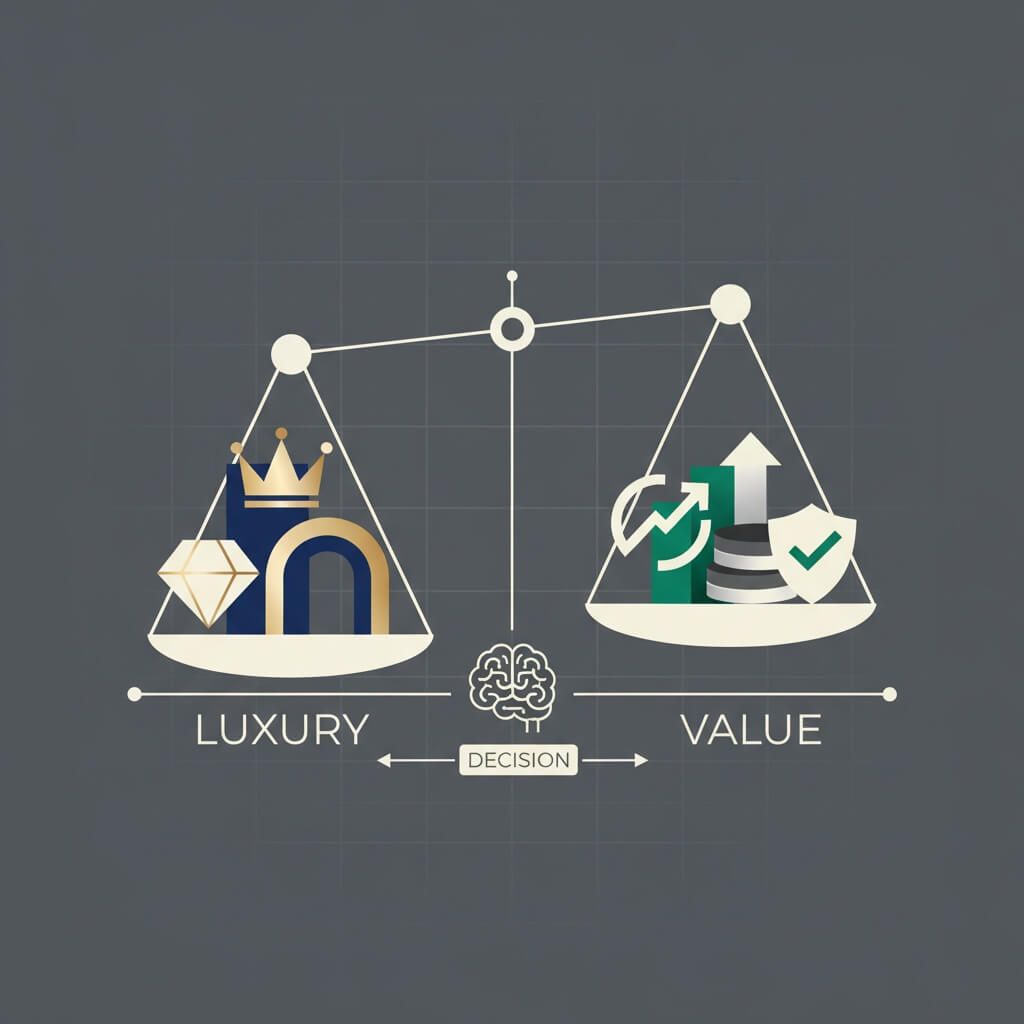
Business class justifies its premium when comfort improves trip outcomes rather than just providing luxury. Overnight flights with next-day commitments require arriving refreshed. Important business meetings benefit from professional arrival conditions. Special occasions deserve memorable experiences.
Economy remains the smart choice when flight comfort doesn't affect trip success. Short domestic flights, daytime international routes, and leisure travel where destination experiences matter more than transport comfort favor economy selections.
My decision framework weighs multiple factors: flight duration, arrival timing, trip purpose, health considerations, and cost per hour premiums. Flights over eight hours with premiums under $150 per hour usually justify upgrades. Shorter flights or higher premiums favor economy.
The sweet spot balances comfort with value. Premium economy often provides 70% of business class benefits at 40% of the price—excellent value for travelers wanting improved comfort without full premium pricing. Business class makes sense when sleep quality and arrival condition matter significantly.
Simple decision flowchart:
FAQ
Business class offers lie-flat seats, priority services, improved dining, lounge access, and significantly more space compared to economy's basic seating, limited recline, standard meals, and minimal amenities.
Blog