


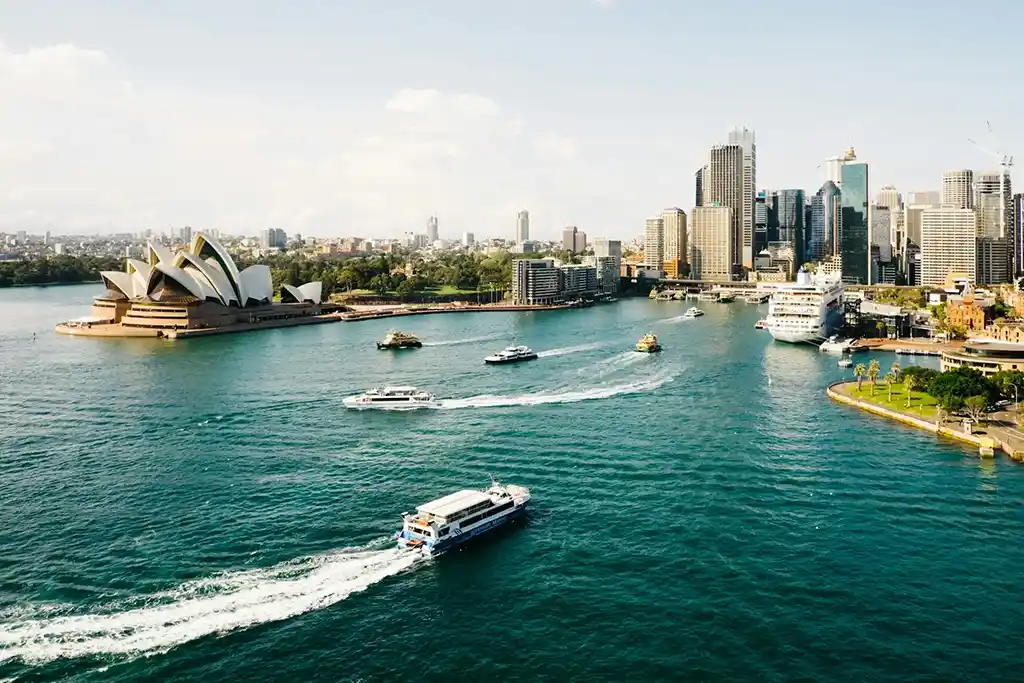

Let me be blunt: flying to Australia is a haul. It’s the kind of flight where “I’ll just tough it out” sounds brave right up until hour nine, when your back starts negotiating terms and your knees are basically filing a complaint.
That’s why business class hits different. The first time I booked it, I treated it like a guilty splurge and overthought the price for weeks. Then I actually flew it. And yeah—worth it.
The biggest upgrade isn’t the champagne or the fancy branding. It’s sleep. Real sleep.

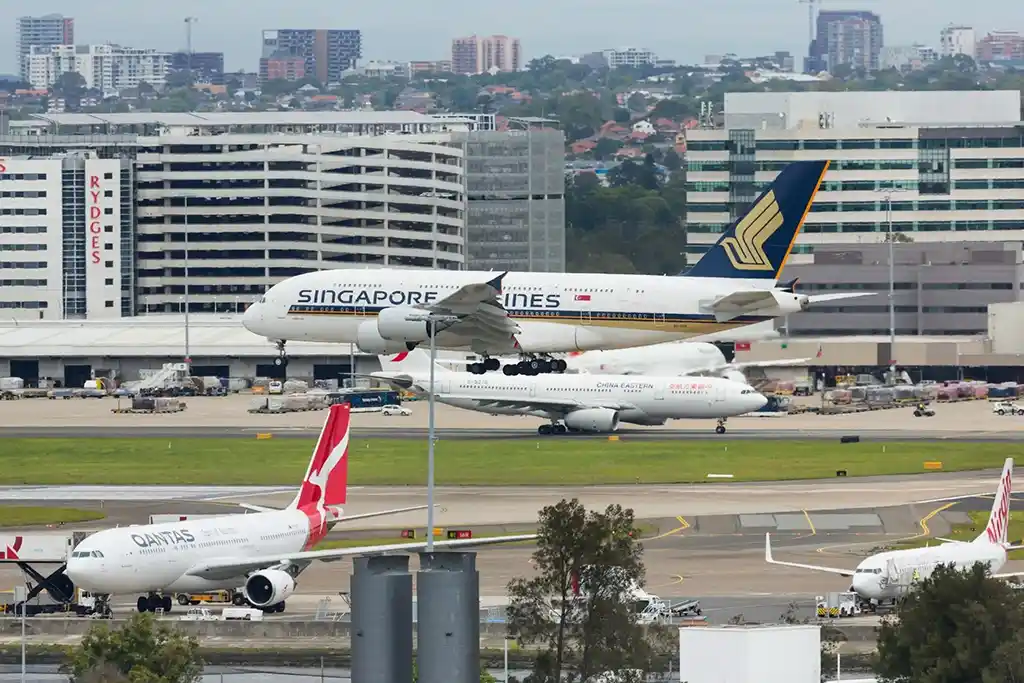

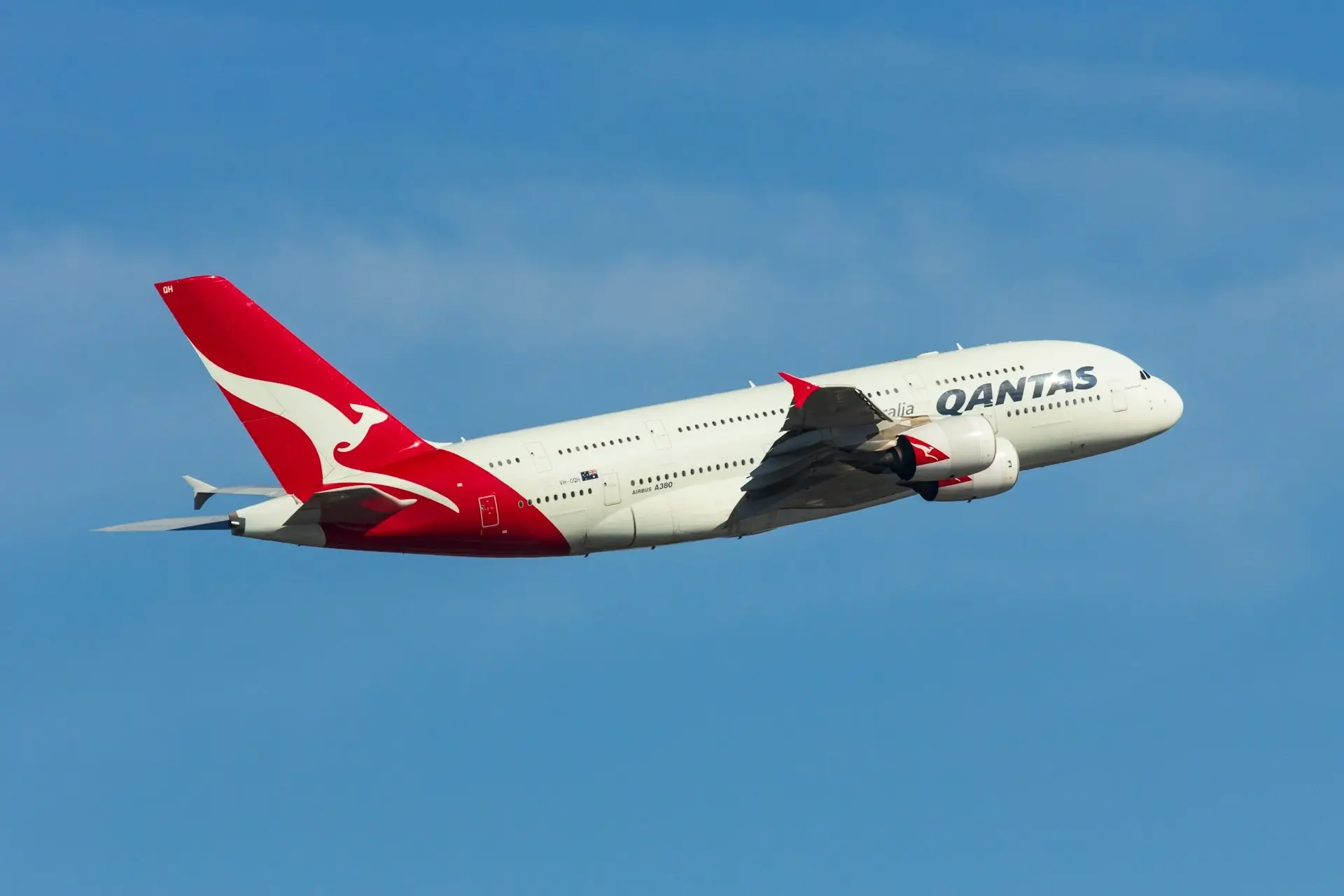
I used to think extra legroom was the goal. It’s not. On a 15+ hour journey, the only thing that matters is whether your seat lets you lie down like a normal person. The first time I stretched out fully, I remember waking up and thinking, “Hold on… I forgot I’m on a plane.” That has never happened to me in economy. Ever.
Landing in Australia after actually sleeping isn’t just “nice.” It changes your first two days. You’re not dragging yourself through jet lag like a zombie. You’re functional. Sometimes even… energetic. Wild concept.
Priority check-in and boarding sound like small perks until you’re standing in a packed terminal with a heavy bag, watching a line that doesn’t move. Skipping that chaos feels like getting a head start on your own trip.
You walk up to a quiet counter, drop your luggage, clear security faster, and suddenly your travel day stops feeling like a stress test. It’s not glamorous. It’s just smoother. Which, honestly, is the luxury.
I used to think lounges were basically a room with crackers and tired-looking chairs. Then I had a long layover in Singapore and realized I was completely wrong.
I took a shower in the airport. A real shower. Then I ate an actual meal, sat somewhere quiet, got work done without shouting over announcements, and boarded my next flight feeling… okay. Like I hadn’t been chewing on travel stress for six hours. That alone can save a long itinerary.
If you’ve ever poked at an economy meal wondering what species it used to be, you’ll understand why business class food feels like relief.
You get a menu. A real one. You pick what you want. It arrives on proper plates with actual cutlery, and it usually tastes like it came from a kitchen that cares. I remember ordering a steak and a glass of wine that didn’t taste like “airport coping mechanism.” It felt almost absurd—in a good way.
This one is personal, because I can’t pack light even when I try. Business class usually gives you a bigger baggage allowance, and that takes pressure off. Souvenirs, gifts, “I might need this” outfits—you’re not playing suitcase Tetris the night before.
And when you land, your bags often come out earlier. After a marathon flight, that small win feels huge.
Business class service isn’t loud or showy. It’s more like having someone pay attention so you don’t have to.
More water? It appears. Another pillow? Done. Need something? You’re not waiting twenty minutes hoping a cart comes by. Add a bigger screen and better entertainment options, and the flight stops being something you survive and becomes something you can actually settle into.
Here’s the honest reason business class is worth it on Australia routes: you land in a better mood, with a functioning body, and you’re not spending your first day recovering.
If it’s a work trip, that matters immediately. If it’s a holiday, it means you don’t waste precious time “adjusting” in your hotel room. You get to start the trip you paid for.
So yes—business class is more expensive. But on a flight this long, comfort isn’t just comfort. It’s time, energy, and sanity.
Blog