



Europe in winter is a choose-your-own-adventure story. Want full-on snow globe vibes? You’ve got them. Want sunshine and beach walks while everyone else is scraping ice off their windshield? Also available. The best part is the pace: fewer crowds, fewer lines, and way more room to actually enjoy places that feel overwhelmed in summer.
Here are standout winter picks across Europe—some frosty, some warm, all worth the trip.
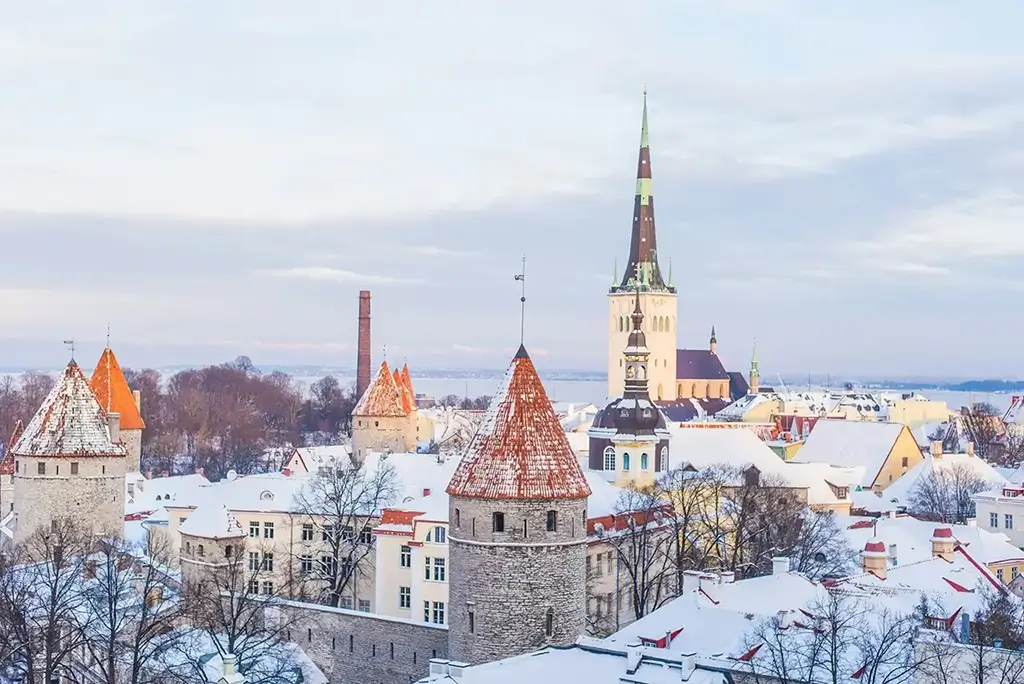
Tallinn in December feels unfairly pretty. The Old Town is all medieval walls, narrow lanes, and rooftops that look better with a dusting of snow. The Christmas market in Town Hall Square is small compared to the giants in Germany, but that’s exactly why it works: cozy stalls, warm drinks, and that “stay a little longer” atmosphere.
A fun detail people love mentioning: Tallinn’s Town Hall Square has had a Christmas tree tradition dating back to 1441. It’s a neat bit of history, but the real magic is simple—lights, cold air, and the smell of gingerbread.
When you’ve had your fill of market wandering, the city is easy to explore on foot:
Toompea Hill for the views
Alexander Nevsky Cathedral for the dramatic domes
St. Olaf’s Church and the old city walls if you’re in a medieval mood
If you want winter activity without going full expedition, head to Nõmme for cross-country skiing or a low-key skate. And when you’re done? Tallinn’s cafe scene is built for winter. Find a warm corner, order something hot, and slow down.
If you’re flying in from farther away, business class flights to Tallinn can make sense for an easy arrival (especially on tight schedules). If not, Tallinn is still worth the trip either way.
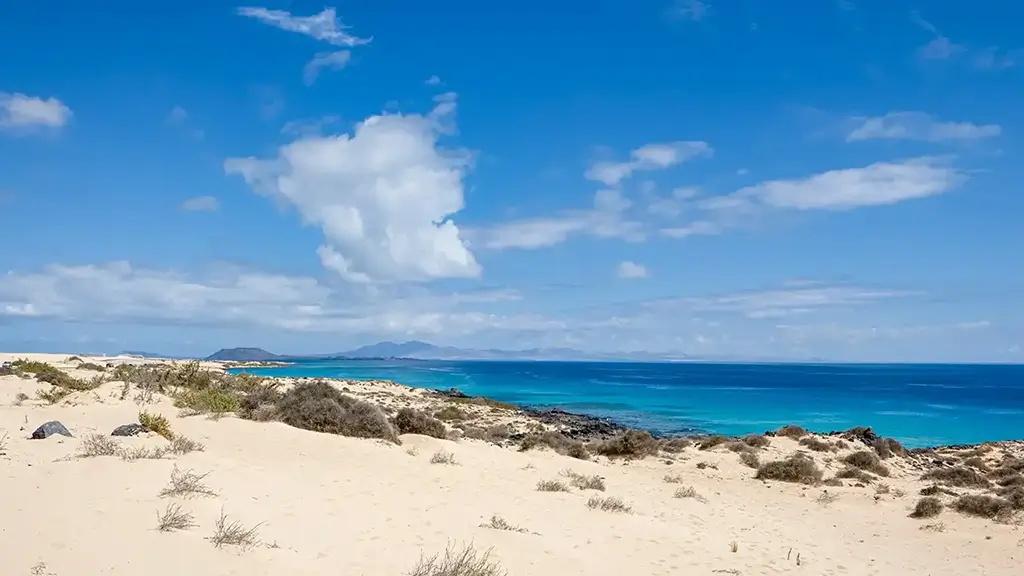
If your winter goal is “sun on my face,” Fuerteventura delivers. Winter temperatures hover around 20°C / 68°F, which is basically a flex when most of Europe is bundled up.
The island is beach-first:
Corralejo for long sandy stretches and dunes nearby
Sotavento for wide-open space and wind sports
Cofete for dramatic, wild scenery (the kind that makes you stop talking mid-sentence)
Fuerteventura is also one of Europe’s best places for windsurfing and kiteboarding. Even if you’re not into that, a ferry over to Lobos Island is an easy day that feels like a mini escape within the escape.
The interior is volcanic and rugged—great for hikes that don’t feel like “exercise,” especially with ocean views baked in. Finish the day with local food: fresh seafood, goat cheese, and papas arrugadas with mojo sauce.
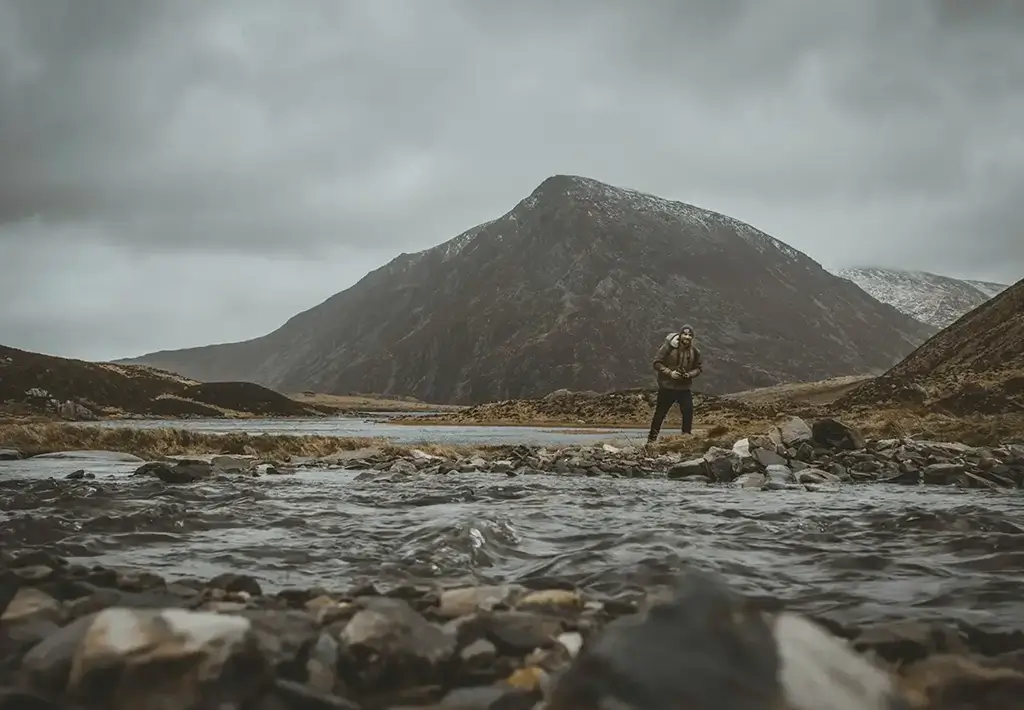
Snowdonia in winter is for people who like their landscapes a little dramatic. Mountains, moody skies, frozen lakes—everything looks sharper. If the weather behaves, the views from the trails are incredible.
You’ve got options depending on how intense you want to get:
Winter hiking routes from easy lakeside walks to serious climbs
Snowshoeing when conditions allow
Ice climbing for experienced climbers (only if you know what you’re doing and conditions are safe)
But Snowdonia isn’t only adrenaline. Villages like Betws-y-Coed and Llanberis are made for slow afternoons: small shops, cafes, and the kind of quiet you don’t get in cities. Add nearby castles like Caernarfon or Harlech, and you’ve got a winter trip that mixes nature with history.
End the day in a pub with something hearty (cawl is the right call) and you’re set.
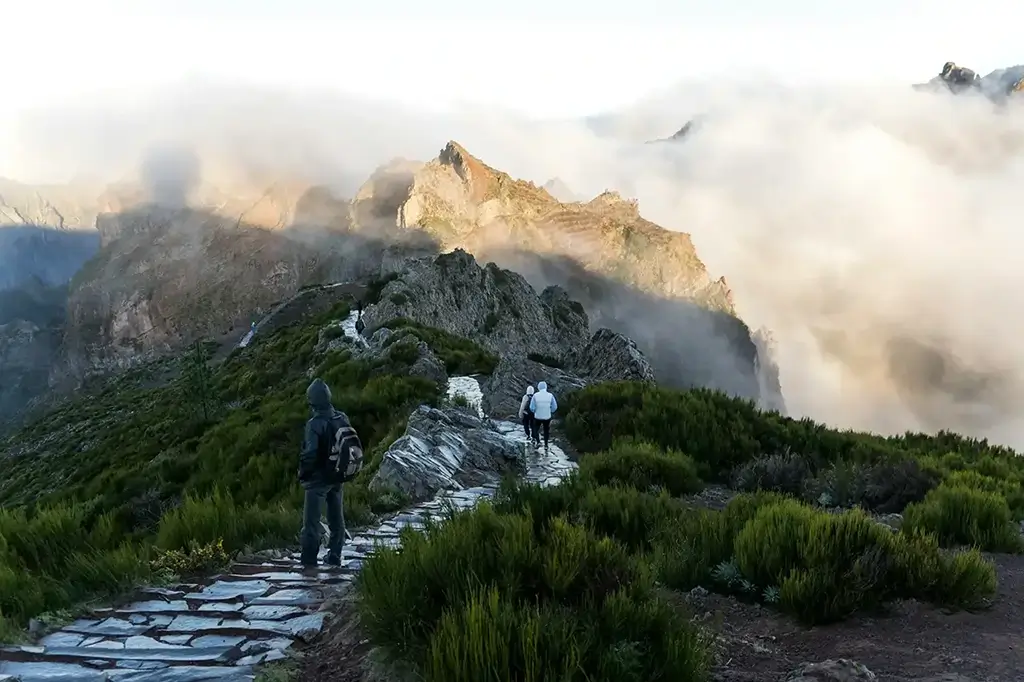
Madeira is what you book when you want “winter” without winter. December temperatures often sit around 17–22°C / 63–72°F, which means you can actually be outdoors all day and enjoy it.
The island’s signature activity is hiking the levadas—lush, scenic trails that run along old irrigation channels. Some are gentle, some feel like an adventure, and the views don’t get old.
If you’d rather be on the water:
whale and dolphin watching runs year-round
diving and snorkeling are excellent in places like Garajau Nature Reserve
Funchal is the cultural hub: markets, old streets, and a surprisingly good food scene. And yes, Madeira’s New Year’s fireworks are famous for a reason—people plan trips around them.
Eat well while you’re here. Try espetada (beef skewers), and don’t skip Madeira wine tastings.
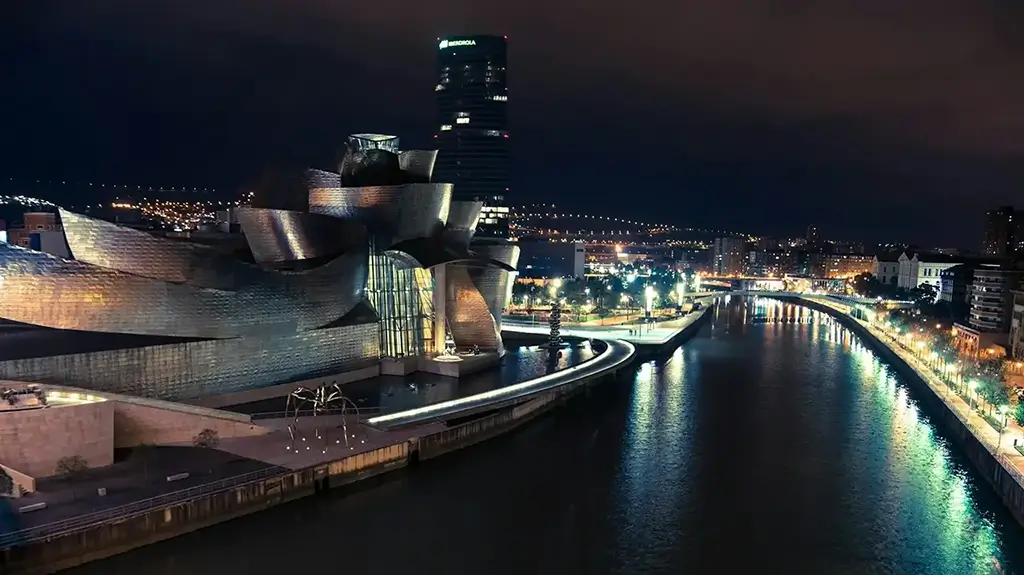
Bilbao is a winter city in the best way: mild temperatures, great museums, and food that makes you forget the weather. The Guggenheim is the headline, but the city has layers—especially once you wander into Casco Viejo and start doing the “one more pintxo” loop.
For culture:
Guggenheim Museum
Museo de Bellas Artes
stroll the old streets around Plaza Nueva
For food (the real reason many people fall for Bilbao):
pintxos bars where you can try everything in small bites
Mercado de la Ribera for produce, seafood, and local snacks
Michelin-starred options if you want a full “treat yourself” night
Bilbao is one of those places that feels easier in winter. You can take your time.
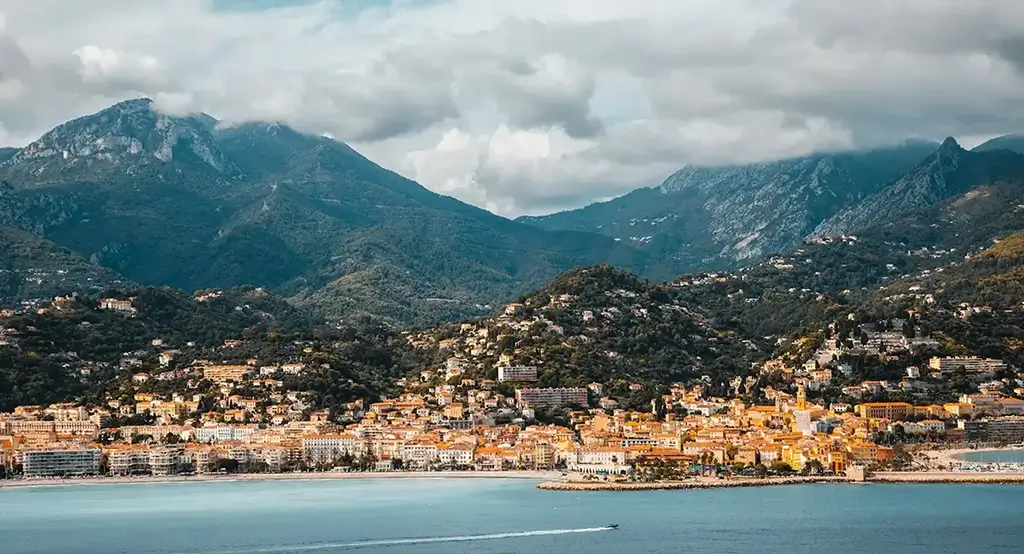
The French Riviera in winter is quieter and more relaxed, which makes it feel more “real.” Nice is still beautiful. Cannes is still polished. You just won’t be elbow-to-elbow with summer crowds.
Spend your days like this:
walk the Promenade des Anglais in Nice
explore Nice’s Old Town and markets
take a slow afternoon in Antibes (Picasso Museum is a good excuse)
sit somewhere sunny with coffee and pretend you don’t have emails
Winter temperatures hover around 10–15°C / 50–59°F, so it’s brisk but very doable.
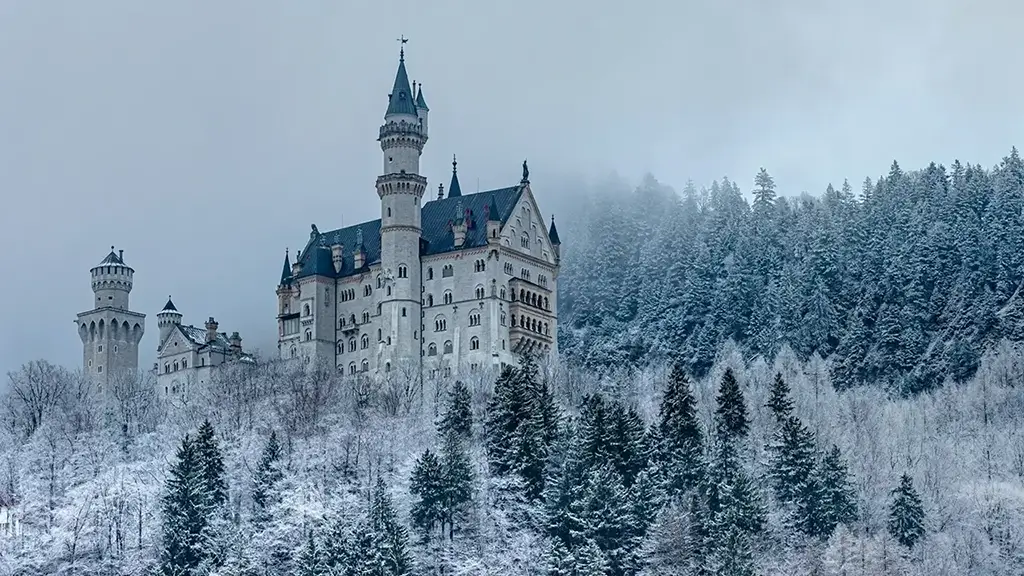
The Bavarian Alps are winter postcard material—especially around Neuschwanstein when everything’s covered in snow. It’s popular for a reason, but winter makes it feel extra cinematic.
If you want sports, Garmisch-Partenkirchen is your base for skiing and snowboarding. If you want slower, you can do scenic trails, village wandering, and Christmas markets that smell like mulled wine and gingerbread.
And yes, the food hits differently in the cold: pretzels, sausages, pork knuckle, and the kind of meals that make you want an afternoon nap.
Santorini in winter is calmer, softer, and honestly more enjoyable if you hate crowds. The temperatures usually sit around 12–15°C / 54–59°F, which is perfect for wandering without feeling rushed.
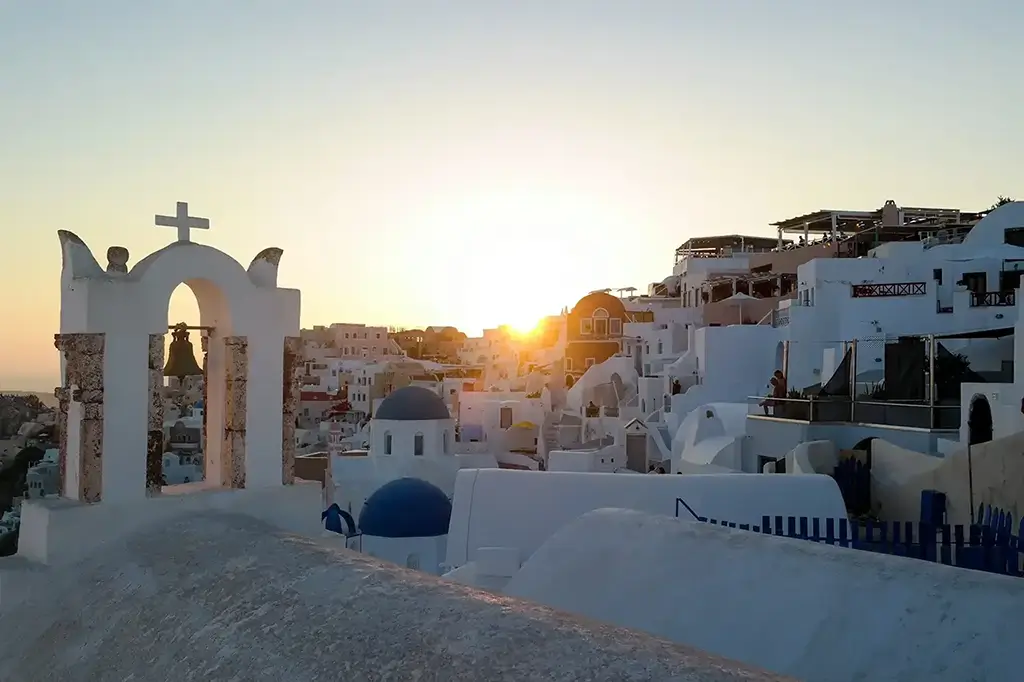
Oia and Fira still look like the photos—white walls, blue domes, cliffside views—just without the summer traffic jam of selfie sticks.
You won’t be swimming, but the volcanic beaches (Red Beach, Kamari) are still worth visiting for the scenery. Winter is also a great time for food and wine: fava, seafood, and a winery tasting of Assyrtiko with zero pressure.
The Alentejo is for slow travel. Vineyards, olive groves, small towns, long lunches. In winter, it’s greener, quieter, and feels more local.
Don’t over-plan it:
base yourself near Évora for history and easy day trips
visit Monsaraz for hilltop views and a medieval vibe
do a winery tour (reds are the strong suit here)
Eat the regional classics—migas, açorda, lamb stew—and you’ll understand why people return.
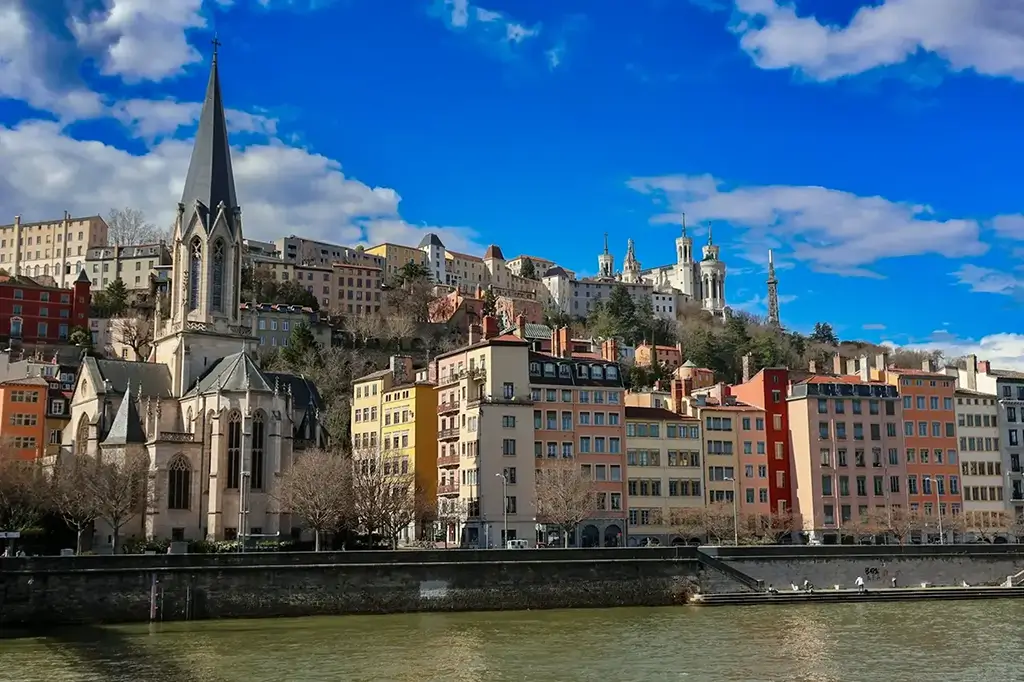
Lyon is built for winter. You walk a lot, you eat a lot, you repeat. The city is famous for “bouchons” (small traditional restaurants), and this is the season when the hearty stuff shines.
Order what Lyon does best:
quenelles
saucisson brioché
tablier de sapeur (if you’re curious and hungry)
Then go to Les Halles de Lyon Paul Bocuse and try to leave without buying something ridiculous. Good luck.
If your timing lines up, the Fête des Lumières is the winter wildcard that makes the city feel electric.
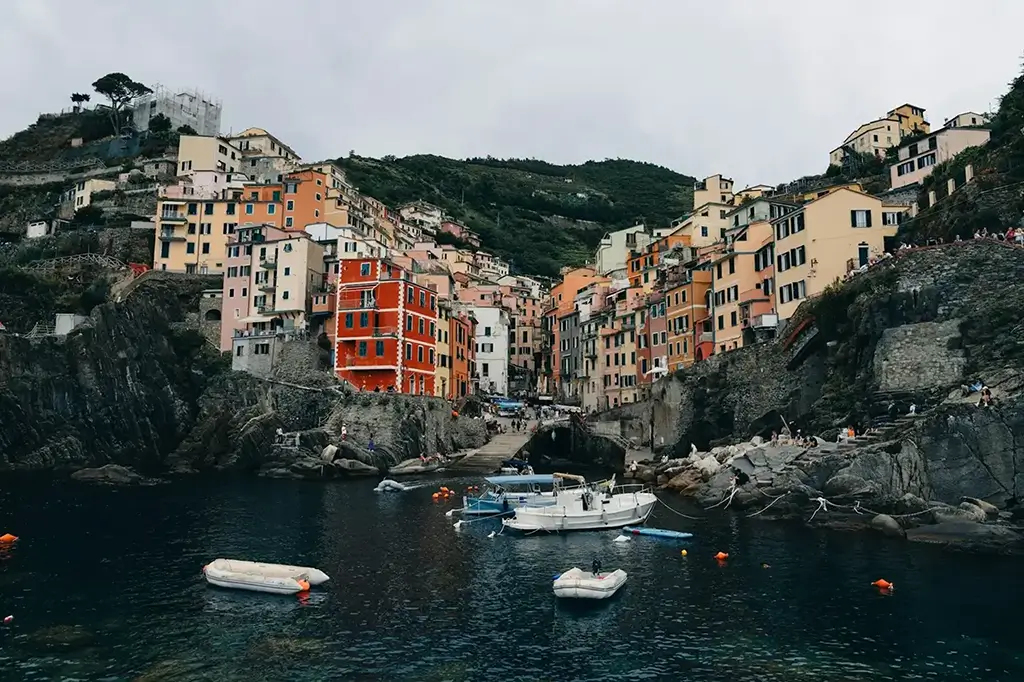
Cinque Terre in winter is what you wish it was in summer: calm, walkable, and not overloaded. Some businesses scale back off-season, but that’s part of the charm. You’re there for the villages, the sea views, and the quiet.
Wander at your own pace:
Monterosso for the beachfront feel
Vernazza for the harbor views
Manarola and Riomaggiore for sunset walks
If conditions are good, winter hiking on the coastal trails can be amazing—cool air, open views, and far fewer people.
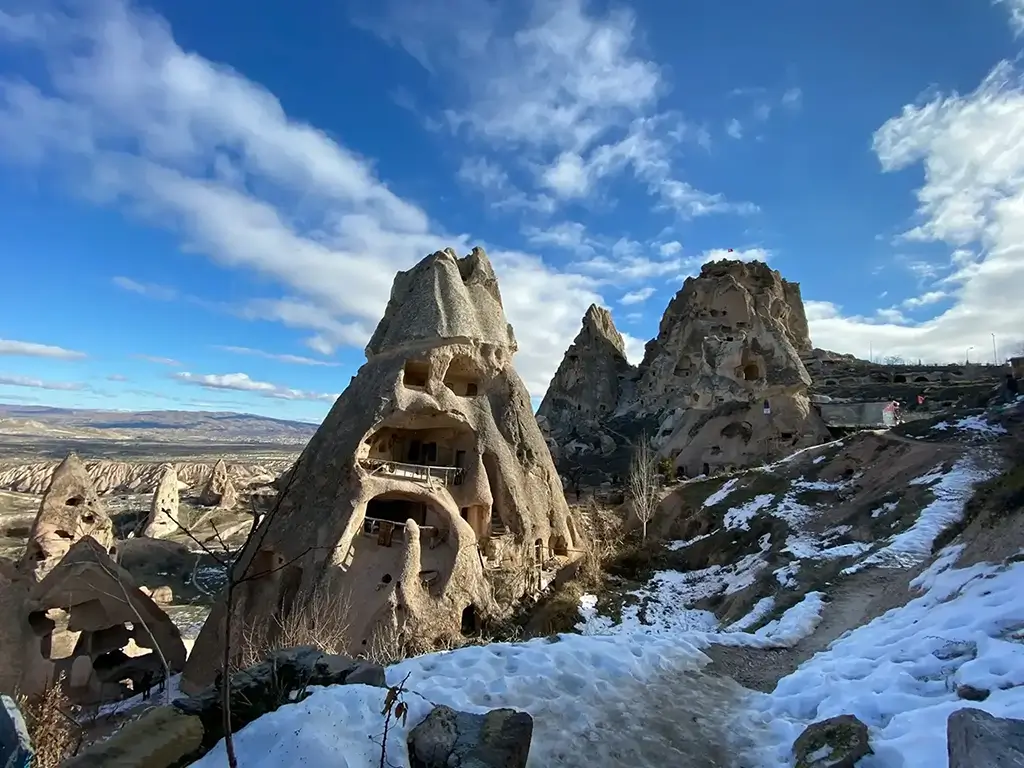
Cappadocia in winter is surreal. The landscape already looks like another planet. Add snow and it becomes something else entirely.
What to do:
explore valleys and rock formations without the crowds
visit underground cities like Derinkuyu or Kaymakli
spend time in the Göreme Open-Air Museum
if weather allows, take a sunrise balloon ride (it’s iconic for a reason)
The best part is the contrast: cold outside, warm inside, especially if you stay in a cave hotel with a fireplace.
Budapest in winter is basically a vibe: old architecture, river views, and steaming thermal baths when it’s freezing outside. The city earned its spa reputation—this isn’t a gimmick.
Start with:
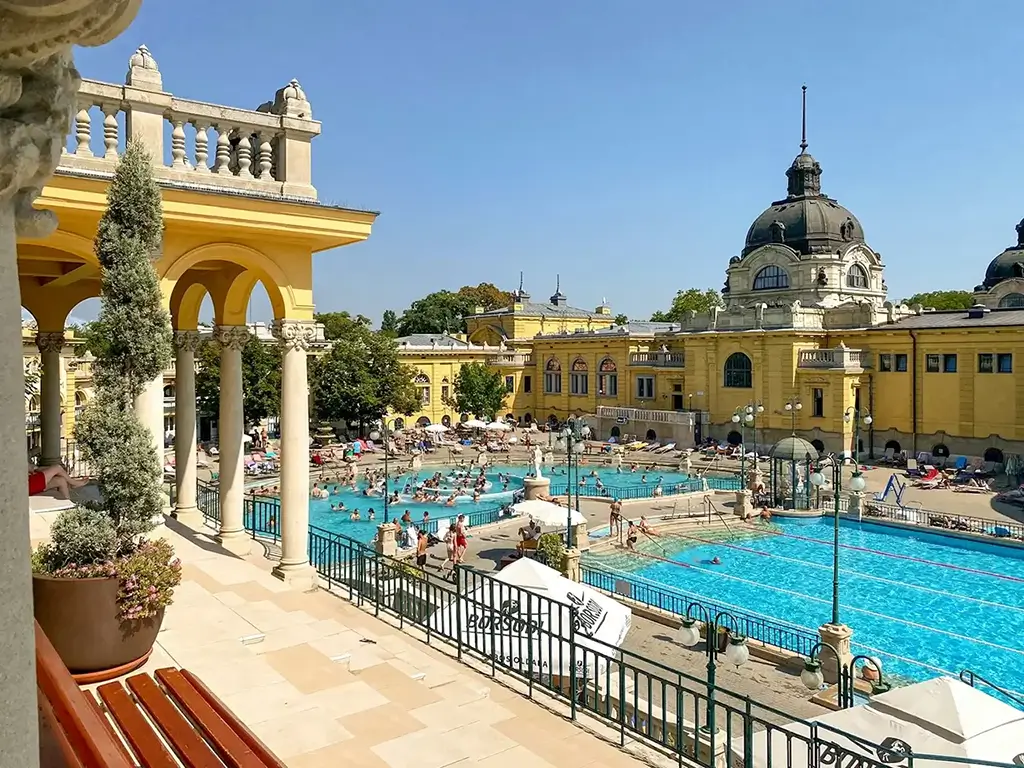
Széchenyi Baths for the big outdoor pools
Gellért Baths for Art Nouveau beauty and a calmer feel
Then do the classic winter Budapest loop:
Parliament at night
Buda Castle and Fisherman’s Bastion
Christmas markets for chimney cake and mulled wine
This is a great city for a winter weekend that feels longer than it is.
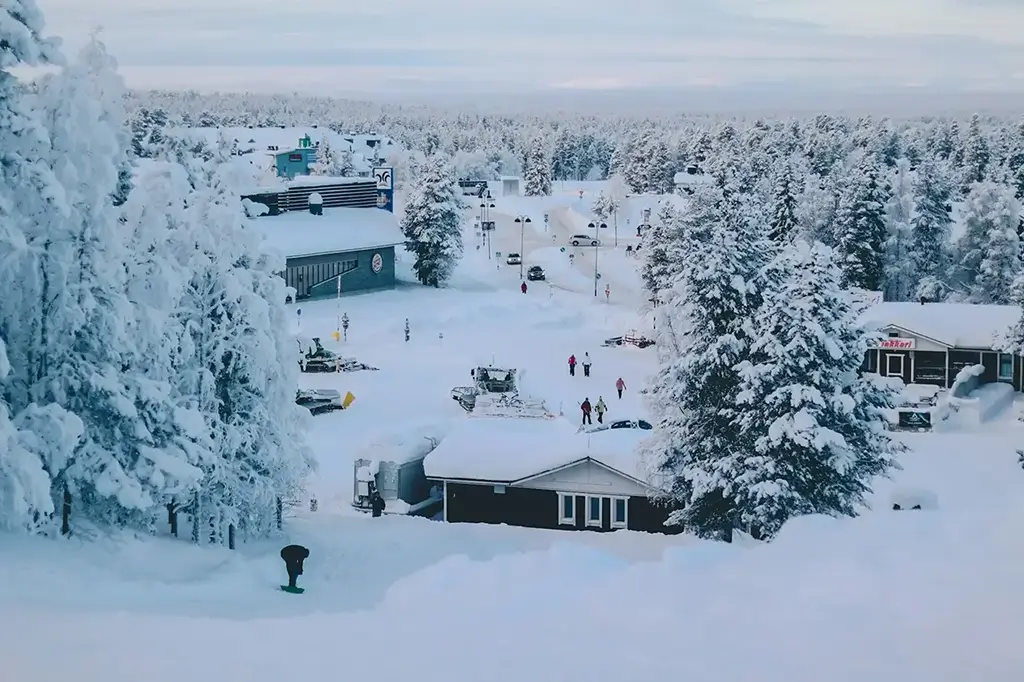
Lapland is the winter trip people remember for years. The Northern Lights season typically runs from late September to early April, and Lapland gives you real darkness and open skies—two things you need if you actually want a shot at seeing them.
Beyond aurora hunting, it’s packed with winter experiences:
husky sledding
reindeer safaris
snowmobiling across frozen lakes
visits to Sami culture experiences (choose respectful operators)
Accommodations are part of the fun: log cabins, glass-roof igloos, places that offer wake-up calls if the aurora shows up.
If you’re traveling with family, Rovaniemi and Santa Claus Village are the obvious highlight—and yes, it’s as festive as it sounds.
Blog